

Visual Learning and Evidence Based Outcomes: A White Paper
Visual Learning in the Digital Era: How Poster Makers for Schools Elevate Engagement, Equity, and Academic Success
Executive Summary
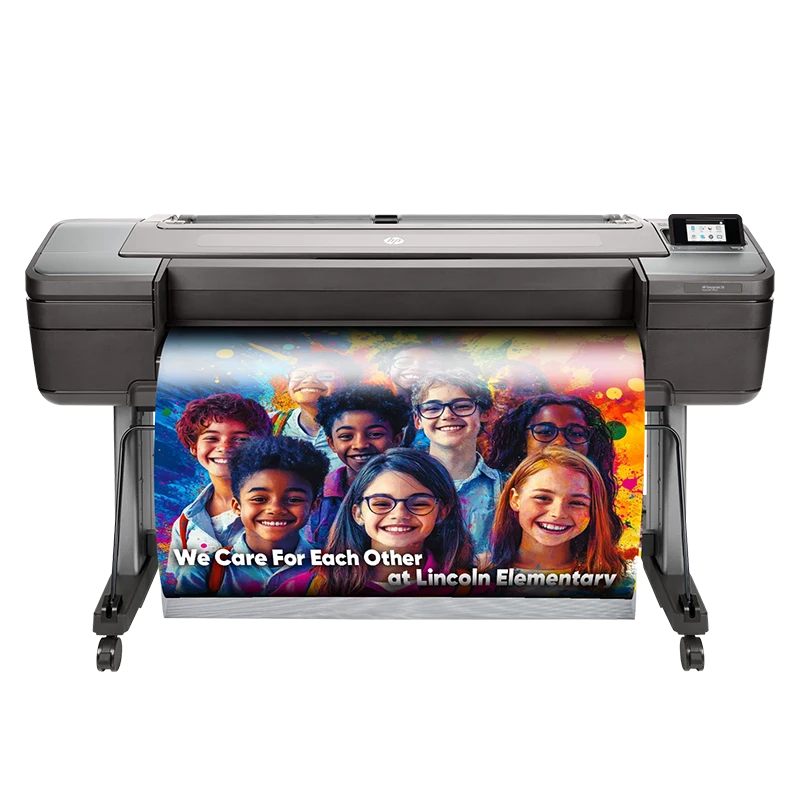
As educational institutions adopt technology-driven innovation, school principals and administrators prioritize research-backed poster makers for schools to enhance student engagement, improve comprehension, and promote equity. Supported by extensive scholarly evidence, visual learning tools meet these goals effectively. Research-backed poster makers for schools provide a practical, cost-effective solution for creating high-quality visual materials that support personalized learning, foster social-emotional growth, and celebrate cultural diversity in student populations.
This white paper synthesizes findings from leading researchers and organizations—such as Richard E. Mayer, CASEL, John Hattie, and the Learning Policy Institute—to demonstrate how poster makers can align with current educational trends and positively impact student outcomes.
Introduction: The Growing Importance of Visual Learning
Visuals are powerful contributors to student success. Research by cognitive scientist Dr. Richard E. Mayer in Multimedia Learning (Cambridge University Press, 2009) shows that students exposed to thoughtfully integrated visuals demonstrate improved knowledge retention and transfer. Similarly, ongoing work by the Visual Cognition Laboratory at the University of Minnesota supports the idea that images and graphics enhance learning. Their research shows that visuals significantly improve learners’ abilities to process and recall information.
In an age where blended and personalized learning models are becoming the norm, poster makers for schools present a scalable solution. They enable educators to tailor content to diverse learning needs, maintain aesthetic and cultural relevance, and keep pace with rapidly evolving curricula.
Aligning With Contemporary Educational Trends
- Personalized Learning:
Personalized learning has shown notable effects on student achievement, as confirmed by John Hattie’s meta-analysis in Visible Learning. Differentiated instruction that includes multimodal materials can engage a broader range of learners. Poster makers for schools facilitate the creation of customized visuals—infographics, illustrated vocabulary lists, process charts—catering to various reading levels, language proficiencies, and interests. - Social-Emotional Learning (SEL):
Social-emotional learning, supported by organizations such as the Collaborative for Academic, Social, and Emotional Learning (CASEL), enhances students’ emotional well-being and academic performance. By using poster makers to create eye-catching visuals that highlight SEL competencies, conflict resolution techniques, and growth mindset principles, educators can establish a positive classroom culture that nurtures empathy and respect. According to CASEL’s research, well-designed SEL interventions can lead to improved classroom behavior, higher engagement, and stronger academic results. - Equity and Inclusivity:
Inclusive, culturally responsive materials help close opportunity gaps and ensure that all students feel seen and valued. Research from the Learning Policy Institute (Darling-Hammond, Flook, Cook-Harvey, Barron, & Osher, 2019) demonstrates that culturally relevant pedagogy supports better student outcomes. With poster makers, educators can create multilingual, culturally sensitive visuals that honor student diversity, ensuring equitable access to high-quality instructional content. - Integration of Technology:
Modern schools rely on technology not only to streamline operations but also to enrich instruction. Analyses from the RAND Corporation and the Brookings Institution underscore the potential of technology to enhance teaching quality and student engagement when used strategically. Poster makers simplify the design process with user-friendly interfaces, cloud-based libraries, and customizable templates, making it easier and more cost-effective for schools to produce and update their visual materials.
Evidence-Based Outcomes and Best Practices
- Enhanced Retention and Comprehension:
Mayer’s (2009) research confirms that students exposed to integrated text and visuals can experience significantly improved comprehension. This aligns with Hattie’s findings, which rank well-designed instructional materials among the key factors influencing student achievement. - Increased Engagement:
According to Hattie’s meta-analysis, engaging visuals heighten student interest and participation. When paired with interactive teaching strategies, these visuals can further motivate learners, leading to deeper understanding and sustained academic gains. - Positive School Culture:
CASEL’s evidence base shows that visuals reinforcing SEL goals can support a more harmonious school climate. Posters that communicate core values, celebrate diversity, and highlight student achievements contribute to a shared sense of purpose and belonging.
Case Studies and Real-World Success Stories
- District-Wide Integration:
A suburban district utilizing poster makers reported increased student engagement and more robust teacher morale. End-of-year assessments revealed improved reading comprehension scores, while teacher surveys indicated that students responded positively to the updated visual materials. - Culturally Responsive Classrooms:
In a dual-language immersion program, administrators leveraged poster makers to produce bilingual, culturally relevant posters. This approach fostered a more inclusive environment, with both teachers and students reporting more active participation and improved language development.
Practical Steps for Implementation
- Professional Development:
Offer training sessions or online tutorials so that educators can learn best practices for designing effective instructional visuals. Empowering teachers with these skills aligns with recommendations from the Learning Policy Institute, highlighting the importance of well-prepared educators. - Curriculum Alignment:
Collaborate with curriculum directors and instructional coaches to ensure that posters align with state standards, district objectives, and grade-level benchmarks. - Measuring Impact:
Use formative assessments, student feedback surveys, and engagement tracking tools to gauge the effectiveness of visual materials. Data-informed decisions help refine and optimize the use of poster makers over time. - Budget and Resource Management:
Explore subscription plans, print-on-demand services, and shared digital libraries. These cost-saving measures help administrators maintain a steady flow of fresh, relevant materials.
Conclusion: A Strategic Investment in Modern Learning
By grounding decisions in reputable research—including Mayer’s multimedia learning principles, CASEL’s SEL framework, Hattie’s meta-analyses, and the Learning Policy Institute’s insights—educational leaders can confidently integrate poster makers for schools into their strategic improvement plans.
These tools support key trends in contemporary education: they enhance comprehension, promote SEL, foster equity, and leverage technology. When implemented thoughtfully, poster makers serve as a catalyst for building engaging, inclusive, and academically vibrant learning environments.
Next Steps
- Evaluate current visual communication practices and identify opportunities for improvement.
- Run pilot programs to assess the effectiveness of poster makers in select classrooms or grade levels.
- Engage in ongoing dialogue with teachers, students, and families to ensure that visual materials reflect the community’s values and meet learners’ evolving needs.
In an era defined by change and innovation, poster makers for schools offer a research-informed, scalable approach to creating visually rich, student-centered learning experiences. By following best practices and leveraging authoritative research, school leaders can create dynamic and inclusive learning environments. These efforts help ensure every student has the opportunity to thrive.