

Poster Printers for Trauma-Informed Classrooms

Understanding Trauma’s Impact on Learning
Research reveals that trauma affects students’ ability to feel safe, regulate emotions, and engage in learning. Moreover, unpredictable environments can trigger stress responses that interfere with cognitive functioning. Therefore, creating visual predictability becomes crucial for supporting these vulnerable learners.
Students who have experienced trauma often struggle with executive functioning, emotional regulation, and trust in their environment. Additionally, they may have difficulty processing verbal instructions or remembering multi-step directions. Consequently, visual supports serve as external scaffolds that reduce cognitive load while providing constant reassurance.

The neuroscience behind trauma-informed visual supports is compelling. Furthermore, when students can see their daily schedule, understand expectations, and identify safe spaces, their stress hormones decrease. Subsequently, this physiological shift enables better access to the prefrontal cortex, where learning and reasoning occur.
Designing Effective Visual Supports with Poster Maker Machines for Schools
Creating trauma-informed visuals requires thoughtful design principles. Moreover, poster maker machines for schools enable educators to produce high-quality, customized supports that meet specific student needs. Therefore, understanding design elements becomes crucial for effectiveness.
Color psychology plays a vital role in trauma-informed visual design. Furthermore, research suggests that cool blues and greens promote calm, while warm yellows can energize without overwhelming. Subsequently, choosing appropriate color palettes can significantly impact student emotional states.
Typography matters equally. Additionally, sans-serif fonts in larger sizes improve readability for stressed students. Consequently, keeping text minimal and using visual symbols wherever possible reduces cognitive demands.
Creating Your Visual Support System
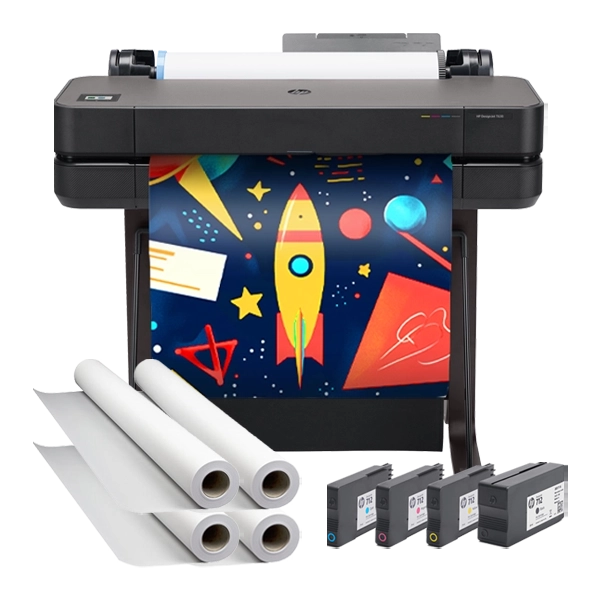
Building a comprehensive visual support system requires planning and resources. Furthermore, having access to quality poster printers for schools makes implementation significantly easier. Therefore, let’s explore the essential components of an effective system.
Morning Check-In Boards
Start each day with visual emotional check-ins. Additionally, these boards help students identify and communicate their feelings. Moreover, teachers gain valuable insights into student emotional states before instruction begins.
Regulation Strategy Posters
Display various coping strategies visually throughout the classroom. Subsequently, students can reference these independently when feeling overwhelmed. Furthermore, including diverse strategies ensures all students find techniques that resonate.
Transition Timers and Warnings
Visual countdown timers reduce anxiety around transitions. Additionally, warning posters (“5 minutes until cleanup”) provide predictability. Consequently, students can mentally prepare for changes in routine.
Choice Boards and Visual Menus
Offering visual choices empowers students while maintaining structure. Moreover, these boards can include academic options, break activities, or calming strategies. Therefore, students experience autonomy within safe boundaries.
Measuring Success and Adapting Supports
Implementing trauma-informed visual supports requires ongoing assessment and adaptation. Moreover, what works for one student may need modification for another. Therefore, establishing feedback systems becomes essential.
Consider creating simple visual feedback forms where students can indicate which supports help most. Additionally, observe behavioral changes and academic engagement after implementing new visuals. Subsequently, adjust designs based on these observations.
Teachers using poster printers for schools report significant improvements in classroom climate within weeks of implementation. Furthermore, students demonstrate increased self-regulation and decreased anxiety-related behaviors. Consequently, the entire learning environment becomes more conducive to growth and healing.