

Poster Making Machine Eco-Friendly Media Guide

Understanding Poster Making Machine Sustainable Printing
Over my 15 years in education, I’ve watched our environmental consciousness evolve dramatically. Furthermore, schools are now leading the charge in sustainability efforts. When we implemented our first poster making machine at Sunnyvale Elementary, the immediate question from our green team was: “What about eco-friendly media options?”
Subsequently, I discovered that sustainable printing doesn’t mean compromising quality or breaking the budget. In fact, many eco-friendly options actually save money in the long run. Therefore, let’s explore how your school can make environmentally conscious choices without sacrificing the vibrant, engaging visuals your students deserve.
The Environmental Impact of Traditional School Printing
Before diving into solutions, let’s understand the challenge. Traditional poster printing in schools typically generates significant waste through:
• Non-recyclable vinyl materials
• Chemical-heavy production processes
• Single-use lamination films
• Petroleum-based inks
• Energy-intensive manufacturing
Additionally, many schools outsource their printing, adding transportation emissions to the environmental cost. However, with the right teacher poster maker and sustainable media choices, we can dramatically reduce this impact.
Eco-Friendly Media Options for Your Poster Making Machine
Let’s explore sustainable alternatives that work beautifully with modern school printing equipment
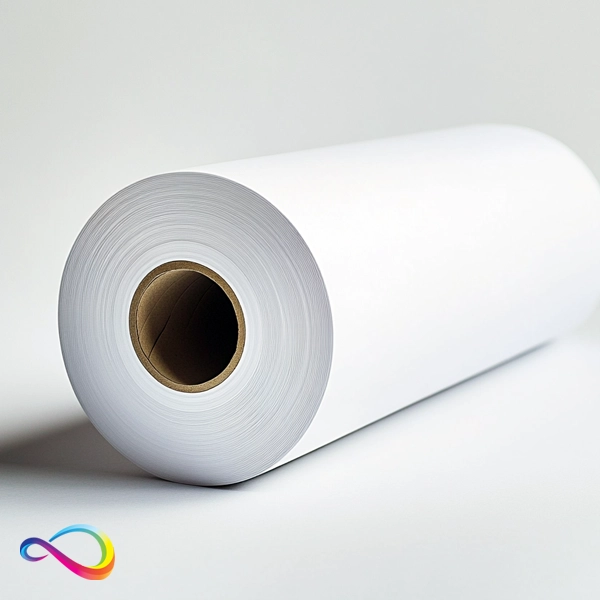
Recycled Paper Options
Our most popular eco-choice! Therefore, recycled coated poster paper delivers vibrant colors while reducing environmental impact by up to 60%.
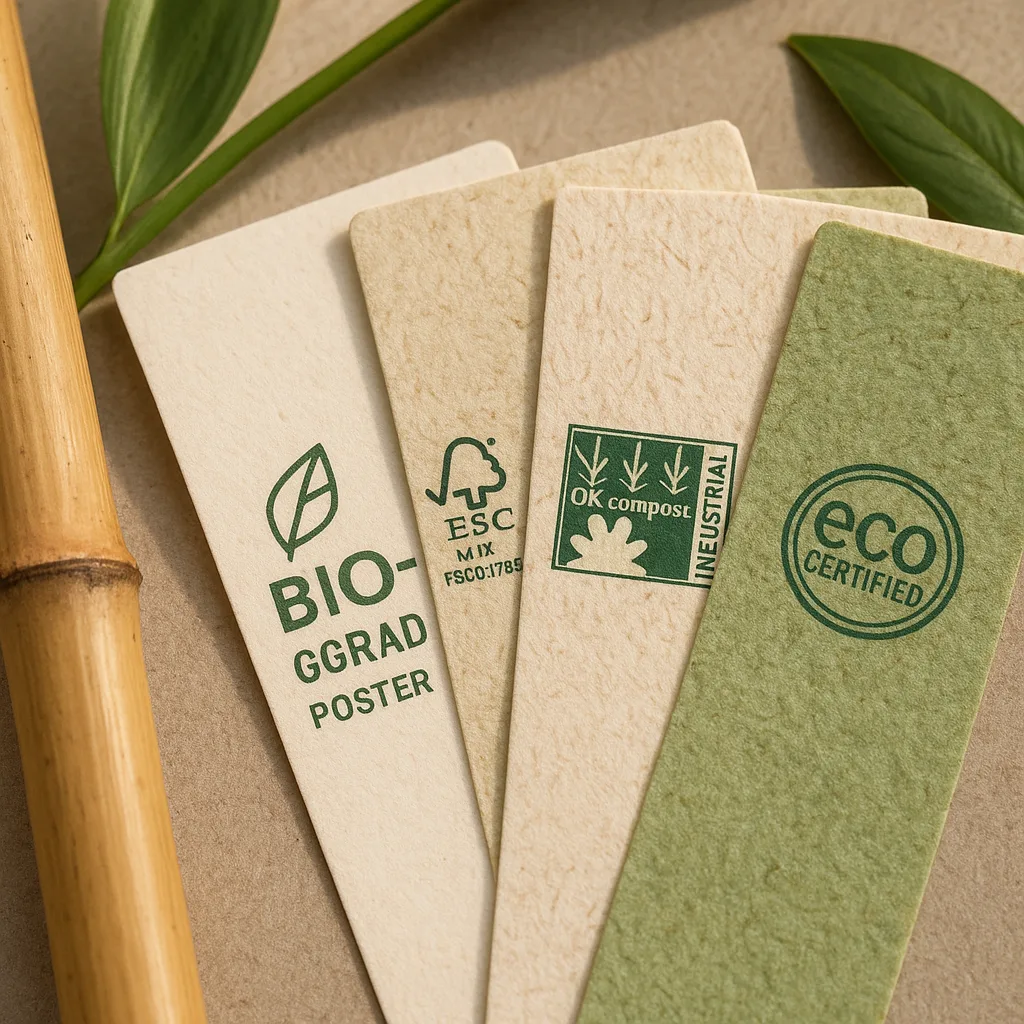
Biodegradable Media
New biodegradable vinyl alternatives break down naturally within 3-5 years. Perfect for temporary displays and seasonal decorations in your teacher poster maker projects.
Reusable Options
Fabric-based materials and repositionable fabric can be cleaned and reused multiple times. Initially more expensive but incredibly cost-effective long-term.
Comprehensive Sustainability Scorecard
Use this data-driven comparison to make informed decisions about your school’s printing media
Practical Implementation Strategies
Transform your school’s printing practices with these tested approaches
Start Small
Begin with one grade level or department. Test eco-friendly options for specific projects before full implementation. Track results and share successes.
Educate Staff
Provide training on sustainable media handling. Show teachers how their teacher poster maker projects can be both beautiful and eco-conscious.
Monitor Progress
Create a green printing dashboard. Additionally, celebrate milestones and share environmental impact data with your school community regularly.
Success Story from the Field
“Switching to sustainable media for our Classroom Pro 36 Poster Maker seemed daunting at first. Now, three years later, we’ve reduced our environmental footprint by 65% while actually saving money. Moreover, our students take pride knowing their learning materials respect the planet they’re inheriting.”
Sarah Martinez
Principal, Green Valley Elementary
Making the Transition: Your Action Plan
Ready to embrace sustainable printing? Here’s your step-by-step roadmap:
Phase 1: Assessment (Month 1)
• Audit current printing practices and waste
• Calculate your environmental baseline
• Review available funding sources for green initiatives
Phase 2: Planning (Month 2)
• Select initial eco-friendly media to test
• Set measurable sustainability goals
• Create staff training materials
Phase 3: Implementation (Months 3-6)
• Launch pilot program with volunteer teachers
• Monitor usage and gather feedback
• Adjust approach based on results
Phase 4: Expansion (Months 7-12)
• Roll out successful practices school-wide
• Apply for environmental grants
• Share success stories with community
Remember, every sustainable choice matters. Furthermore, students notice when we practice what we teach about environmental responsibility.
Beyond the Paper: Complete Sustainability
While choosing eco-friendly media is crucial, consider these additional strategies:
• Use water-based, eco-certified inks
• Implement double-sided printing when possible
• Create digital galleries to reduce physical displays
• Establish poster recycling programs
• Design timeless posters that won’t need frequent updates
Subsequently, these practices amplify your environmental impact while maintaining the visual learning benefits your students need.
