

Visual Behavior Management with Poster Makers
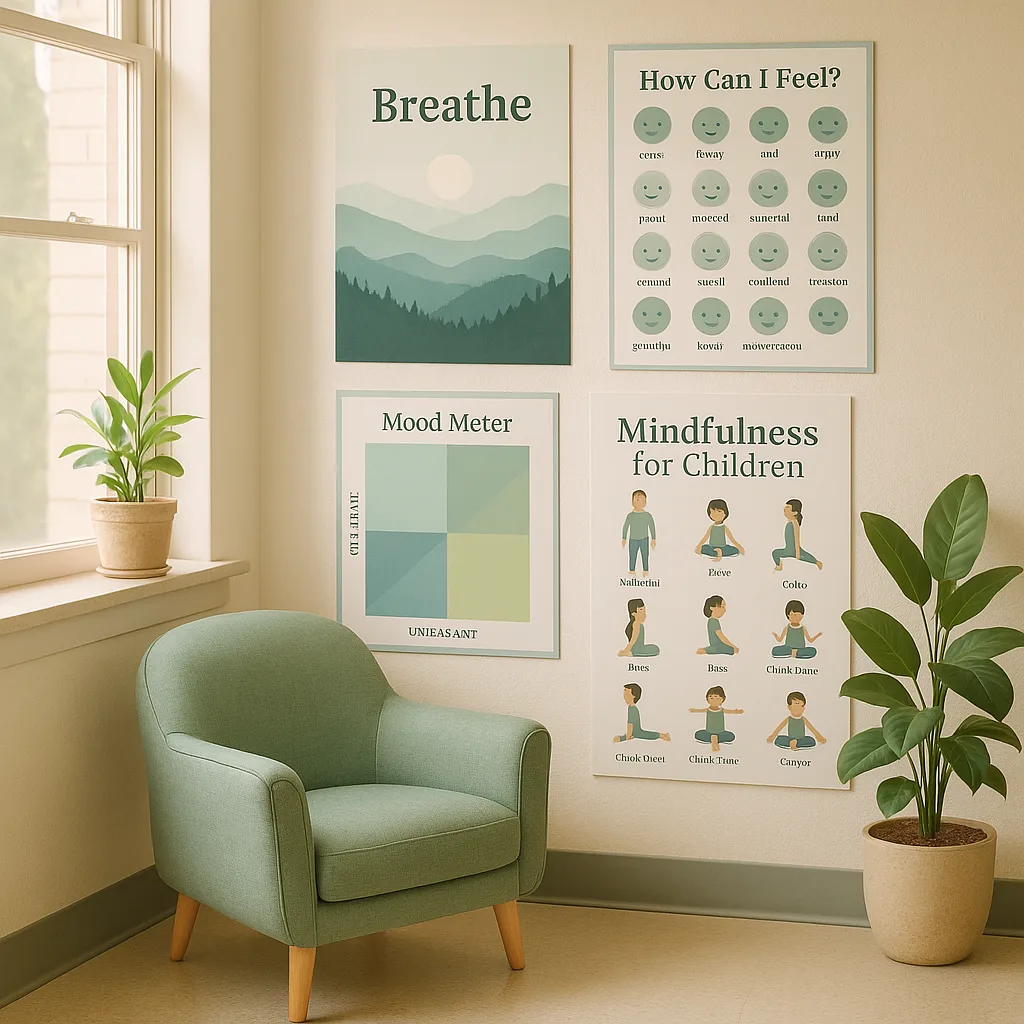
Creating Your Poster Maker for Schools Behavior Toolkit
Individual Progress Charts
Every student’s journey is unique, especially when managing challenging behaviors. Using a Campus Pro 36 Poster Maker Advanced Package, you can create personalized progress charts that speak directly to each student’s goals. For instance, create a “Mountain Climbing” chart where students move their photo up the mountain as they meet daily behavior targets. The visual metaphor of climbing toward success resonates powerfully with kinesthetic learners.

Personalized progress tracking builds student ownership
The Power of Poster Maker for Schools Behavior Thermometers
Nothing builds classroom community quite like a giant behavior thermometer created with your poster printer machine. These visual tools transform abstract concepts like “good choices” into concrete, measurable progress that even your most concrete-thinking students can grasp. Here’s how to maximize their impact:
Design Elements That Work:
• Use bright, graduated colors (blue → green → yellow → orange → red)
• Include clear milestone markers with specific rewards
• Add student photos or avatars that move up the thermometer
• Create themed versions for different times of year
I remember working with a third-grade teacher who was ready to throw in the towel. Her class was notorious throughout the school – 28 students, five with IEPs for behavior, and daily disruptions that left everyone exhausted. We created a “Rocket to Recess” thermometer using the Classroom Pro 24 Poster Maker Advanced Package. Every positive behavior moved the rocket higher, with special rewards at each planet. Within two weeks, office referrals dropped by 75%, and that teacher? She’s still using visual systems five years later.
Addressing Specific Behavioral Challenges
For Students with Autism Spectrum Behaviors:
Visual schedules aren’t just helpful – they’re essential. Create detailed daily schedules with photos or icons representing each activity. Transitions become smoother when students can see what’s coming next. Pro tip: Include a “surprise” card for unexpected changes, teaching flexibility within structure.
Managing ADHD-Related Challenges:
Movement breaks are non-negotiable for ADHD brains. Design a “Movement Menu” poster with quick activities students can do at their desks. Include options like chair push-ups, ankle rolls, or squeeze-and-release exercises. When you see that telltale wiggling starting, a simple point to the poster gives permission for appropriate movement.
Emotional Regulation Support:
Create a “Feelings Thermometer” that helps students identify their emotional temperature. Pair it with coping strategies at each level. At “yellow,” maybe it’s deep breathing. At “orange,” perhaps a walk to the water fountain. This teaches students to intervene before reaching the “red zone.”
Research-Backed Strategies for Visual Success
The University of Kansas’s research on Positive Behavior Interventions and Supports (PBIS) shows that visual supports are most effective when they’re:
1. Consistent: Use the same visual language across all behavior tools. If green means “go” on one chart, it should mean the same everywhere.
2. Culturally Responsive: Include diverse representations in your visuals. Students need to see themselves reflected in the positive behavior examples.
3. Developmentally Appropriate: A kindergarten behavior thermometer looks different from a fifth-grade one. Adjust complexity and design to match cognitive levels.
4. Positively Framed: Instead of “No Running,” try “Walking Feet.” Visual reminders of what TO do are more effective than prohibitions.
5. Student-Involved: Let students help create the visuals. When they have ownership, buy-in skyrockets. A poster printer machine makes it easy to incorporate student artwork into behavior management tools.
Making It Sustainable: Long-Term Success Strategies
Creating visual behavior systems is one thing; maintaining them is another. Here’s how to ensure your investment in calm continues paying dividends:
Start Small: Don’t try to implement everything at once. Begin with one high-impact visual tool, like a classroom thermometer. Once that’s running smoothly, add another element.
Schedule Regular Updates: Set a monthly reminder to refresh your visuals. Students get “poster blind” when the same images stay up too long. The Classroom Pro Poster Maker Ink cartridges make frequent updates affordable.
Collect Data: Track specific behaviors before and after implementing visual supports. Numbers don’t lie – when you see that office referrals dropped by 60%, you’ll stay motivated to maintain the system.
Share Success: When something works, tell your colleagues. Better yet, offer to help them create similar visuals. Building a school-wide culture of visual support amplifies everyone’s success.
Involve Families: Send home photos of your classroom visual supports with explanations. Parents often want to create similar systems at home, providing consistency across environments.
The Path Forward: Your Next Steps
Transforming your classroom from chaos to calm doesn’t happen overnight, but with the right visual tools and a poster printer machine at your disposal, you’re already ahead of the game. Start by identifying your biggest behavior challenge. Is it transitions? Emotional meltdowns? Attention-seeking behaviors? Choose one area and create your first visual support this week.
Remember, every master teacher I’ve worked with has one thing in common: they’ve learned that taking care of themselves isn’t selfish – it’s essential. When you invest time in creating systems that reduce your daily stress, you’re not just helping yourself. You’re modeling self-care and problem-solving for every student who walks through your door.
The research is clear, the tools are available, and most importantly, you deserve a classroom where both you and your students can thrive. Your poster maker for schools behavior support system isn’t just about managing challenges – it’s about creating an environment where everyone’s best self can emerge.
Take that first step today. Your future self (and your students) will thank you.