

Poster Printing Heritage Projects: Island to Prairie
Celebrating Regional Student Heritage Through Visual Storytelling
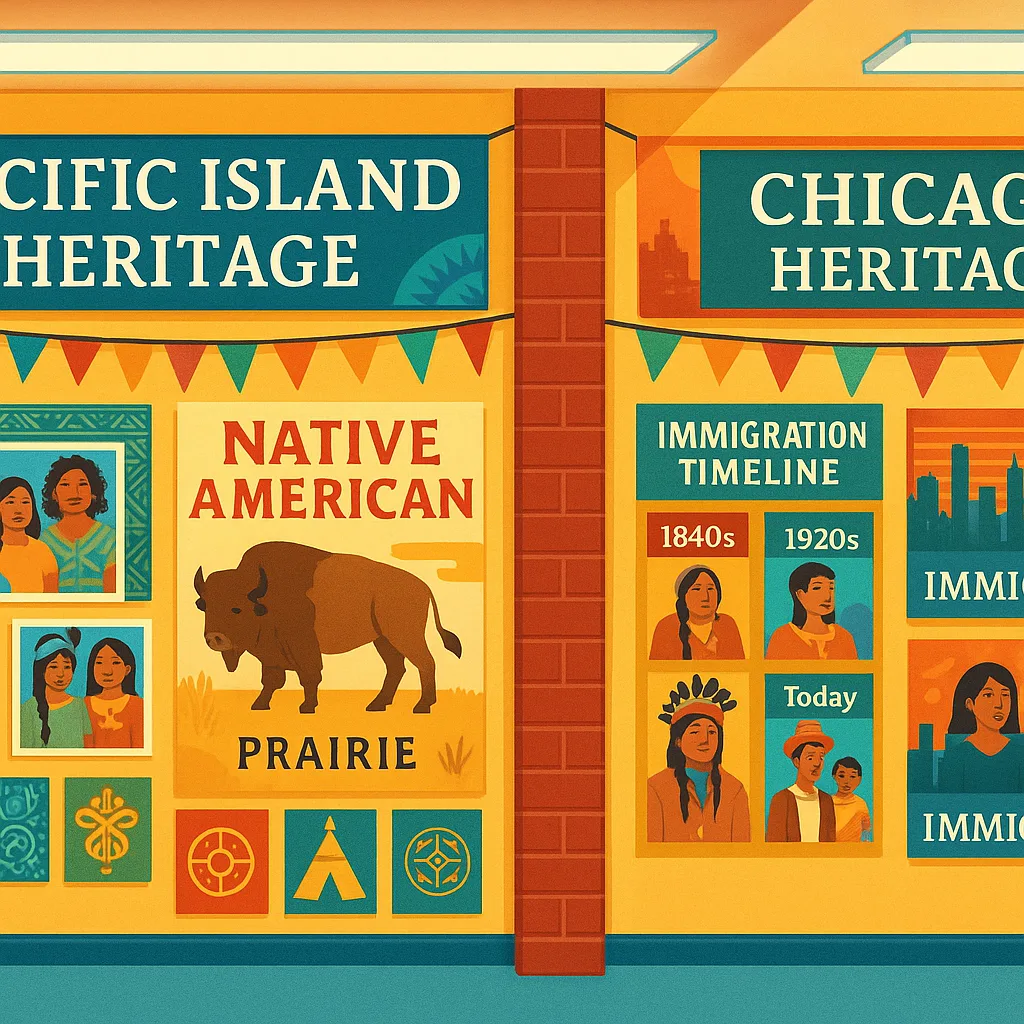
From the volcanic shores of Hawaii to the vast plains of Montana, schools across America are discovering powerful ways to honor student heritage through collaborative poster projects. These visual celebrations transform hallways into galleries of cultural pride, where poster printing for teachers heritage projects becomes a bridge connecting diverse communities.
The Power of Visual Heritage in Education
As educators, we’ve witnessed firsthand how visual learning transforms abstract concepts into tangible understanding. However, when we combine this power with students’ personal narratives and cultural backgrounds, something magical happens. Schools using poster maker machines for schools report increased student engagement, stronger family connections, and a more inclusive learning environment.
During my recent educational conference tour, I encountered three remarkable schools that exemplify this approach. Each institution—from Hawaii’s Kahuku Elementary to Montana’s Browning Middle School and Illinois’s Lincoln Park High School—has developed unique strategies for celebrating regional heritage through poster projects. Furthermore, these initiatives demonstrate how visual storytelling can bridge generational gaps and foster deep community connections.
The transformation extends beyond beautiful displays. Teachers report that students who participate in heritage poster projects show improved academic performance, increased school attendance, and stronger peer relationships. Additionally, parents become more involved when they see their family stories honored on school walls.
Case Study Highlights: Three Regional Approaches
Hawaii: Kahuku Elementary
Pacific Heritage Celebration
Focus: Monthly heritage celebrations featuring different Pacific Island cultures through family story walls and traditional art displays.Students create vibrant posters celebrating Polynesian navigation, traditional recipes, and family genealogies.
Montana: Browning Middle
Prairie Heritage Project
Focus: Indigenous history timelines and contemporary Native American achievement walls using collaborative poster designs.Partnership with Blackfeet Nation elders creates authentic cultural displays honoring traditional knowledge.
Illinois: Lincoln Park High
Urban Mosaic Project
Focus: Neighborhood history walls showcasing waves of immigration and community transformation through decades.Multi-generational poster projects connect current students with alumni and longtime residents.
Poster Printing for Teachers Heritage Projects: Implementation Strategies
Successfully implementing heritage poster projects requires thoughtful planning and the right tools. Schools that invest in quality poster printing equipment find they can respond quickly to student creativity and community events. Moreover, having in-house printing capabilities allows for iterative design processes where students can refine their work based on feedback.
The most successful programs share several key characteristics. First, they involve families from the planning stage, ensuring authentic representation of cultural traditions. Second, they integrate heritage projects across multiple subject areas—history, language arts, social studies, and art. Third, they create permanent displays that evolve with each academic year, building layers of community memory.
Spotlight: Montana’s Browning Middle School Success Story
Browning Middle School’s partnership with the Blackfeet Nation demonstrates how heritage poster projects can heal historical wounds while celebrating contemporary achievements. Their “Past, Present, Future” wall features three distinct sections created entirely by students using the school’s Campus Pro 44 Poster Maker Elite Package.
The past section honors traditional Blackfeet leaders and historical events through carefully researched timelines. Students interviewed elders, visited the tribal museum, and collaborated with the cultural preservation office. Subsequently, the present section celebrates current community members making positive impacts—from rodeo champions to renewable energy engineers. Finally, the future section showcases student dreams and aspirations, creating a powerful visual bridge between generations.
Measuring Impact Through Data
Schools implementing heritage poster programs report measurable improvements across multiple metrics. These visual celebrations of diversity create inclusive environments where every student sees their story valued and displayed.
Essential Components for Poster Printing Heritage Projects
Creating impactful heritage displays requires more than just good intentions. Schools need reliable equipment, quality materials, and ongoing support. Therefore, investing in professional-grade poster maker machines for schools ensures consistent results that honor the stories being told.
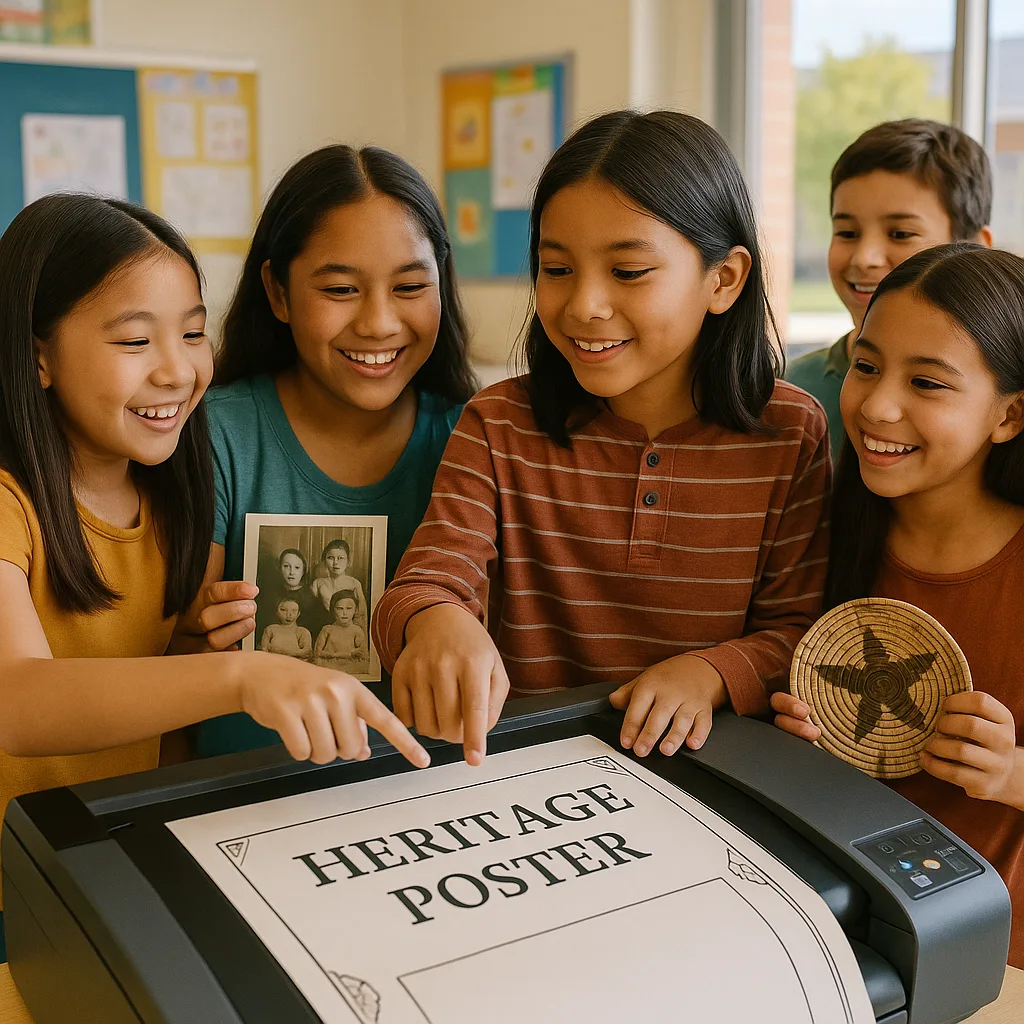
The right equipment makes a significant difference in project outcomes. For instance, schools using our Classroom Pro 24 Poster Maker Elite Package report that the built-in scanner allows students to digitize precious family photos without removing them from albums. Additionally, the variety of paper options—from weather-resistant vinyl to archival-quality photo paper—ensures displays last for years.
Technical Considerations
Budget Planning Tips
Many schools fund heritage poster programs through creative combinations of resources. Title III funding often supports projects serving English Language Learners, while various grant opportunities exist for cultural education initiatives. Furthermore, parent organizations frequently sponsor specific heritage months or cultural celebrations.
Consider the total cost of ownership when planning your program. In-house printing typically costs 80% less than outsourcing, allowing schools to create more displays and update them regularly.
Building Bridges Through Visual Storytelling
The success of these regional programs offers valuable lessons for schools nationwide. First, authentic community partnership ensures cultural accuracy and deepens engagement. Second, student ownership of the creative process builds confidence and cultural pride. Third, permanent displays create lasting impact beyond individual school years.
Teachers participating in heritage poster projects report professional growth as well. They develop deeper relationships with families, gain cultural competency, and discover new ways to integrate diverse perspectives into their curriculum. Moreover, the collaborative nature of these projects breaks down traditional classroom walls, creating school-wide learning communities.
Looking ahead, schools are exploring innovative ways to expand their heritage programs. Digital components like QR codes linking to family stories, augmented reality features, and online galleries extend the reach beyond school walls. However, the physical posters remain central—tangible celebrations of identity that students pass daily, reinforcing their sense of belonging.