

Poster Makers for Test Anxiety Relief
Understanding Test Anxiety Through a Psychological Lens
Research consistently shows that environmental factors significantly impact student stress levels during testing. A 2019 study published in the Journal of Environmental Psychology found that students exposed to calming visual environments experienced a 32% reduction in cortisol levels during high-stakes assessments. Furthermore, strategic use of color, imagery, and mindfulness prompts can activate the parasympathetic nervous system, promoting a state of relaxed alertness optimal for test performance.
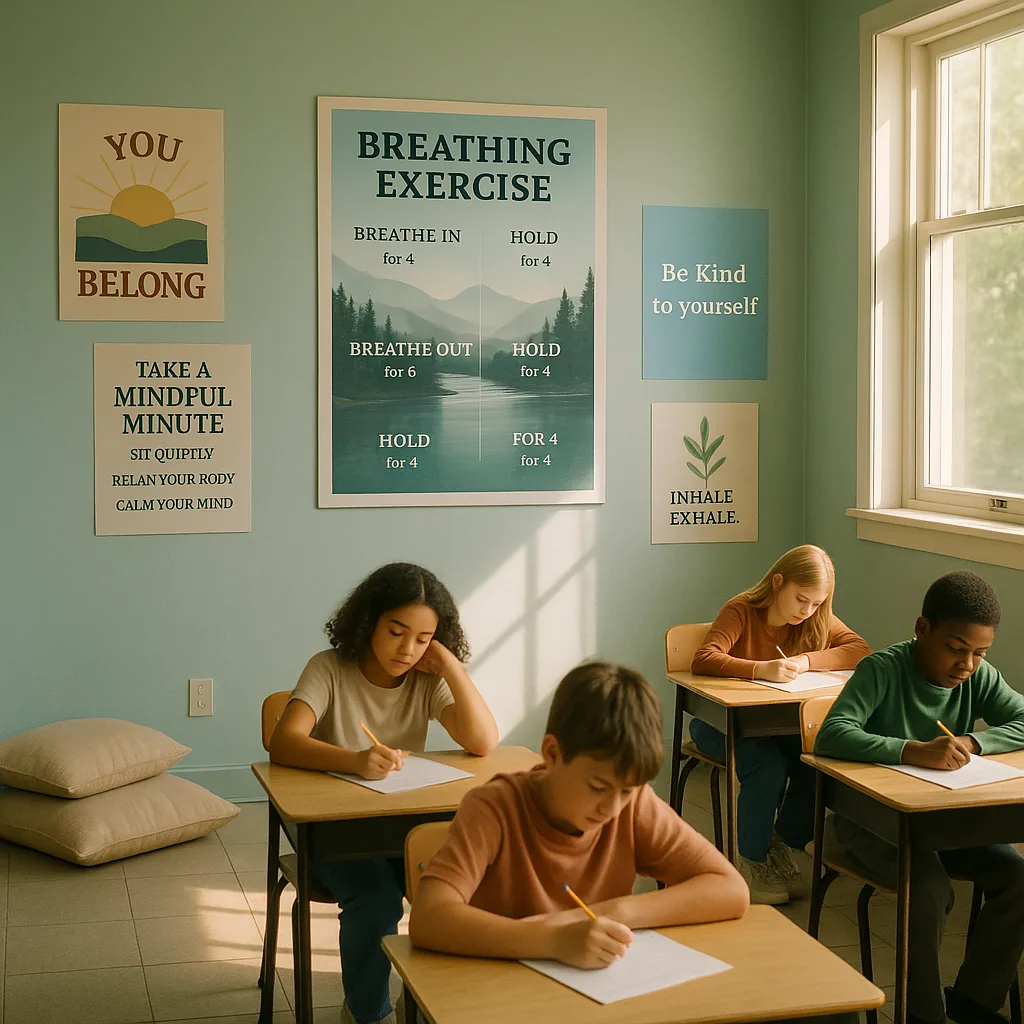
As an educational psychologist, I’ve observed how traditional sterile testing environments often amplify student anxiety. However, when we intentionally design spaces with calming visuals—particularly through the strategic use of posters created with poster print machines—we create what I call “visual anchors” that ground students in the present moment and reduce overwhelming feelings.
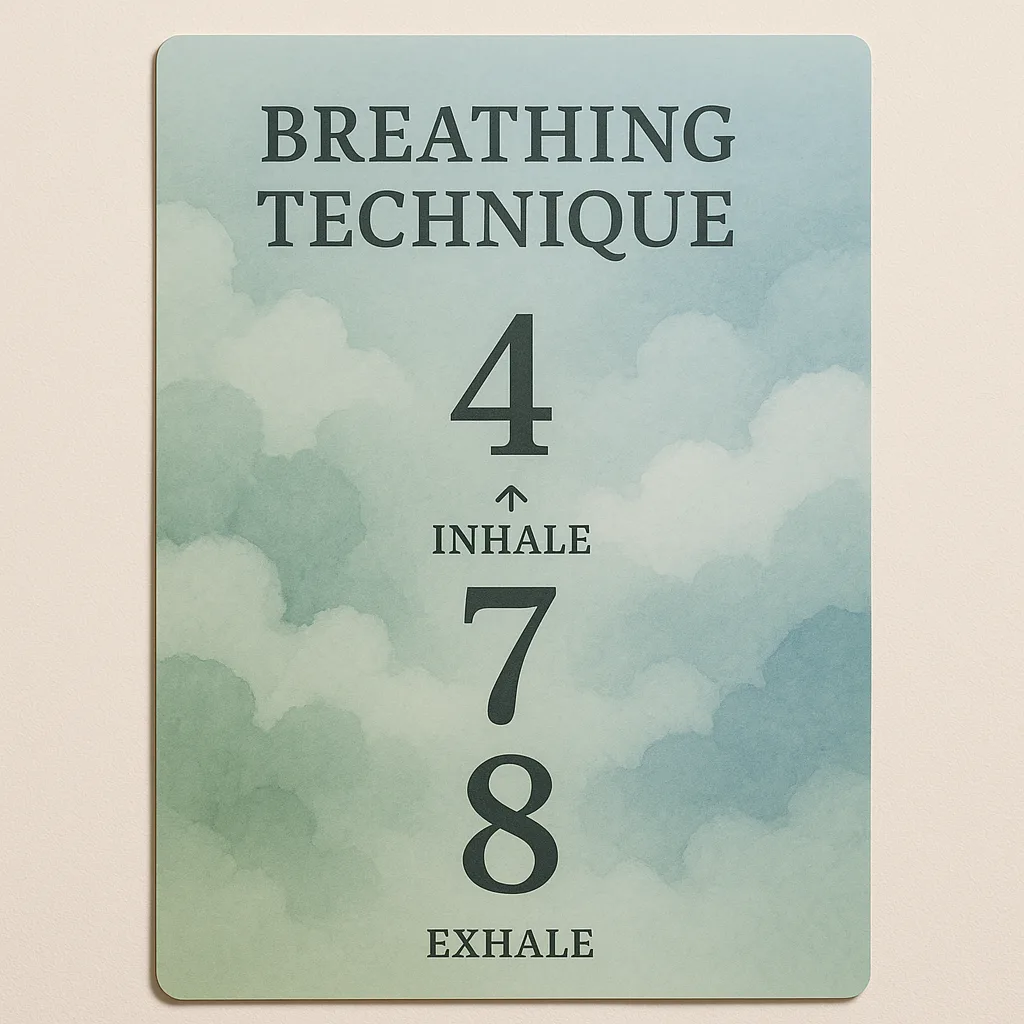
The neuroscience behind this approach is fascinating. When students encounter familiar, calming visual cues during testing, their amygdala (the brain’s fear center) becomes less activated. This allows the prefrontal cortex—responsible for executive function and problem-solving—to operate more effectively. Essentially, we’re creating a visual environment that supports optimal brain function during challenging cognitive tasks.
Evidence-Based Color Psychology for Testing Environments
Color selection for your meditation station posters isn’t just about aesthetics—it’s about creating neurological responses that support student well-being. Research from the International Association of Color Consultants reveals specific color wavelengths that promote calm focus:
Strategic Poster Placement for Maximum Impact
The placement of your calming posters is just as crucial as their design. Based on environmental psychology principles, I recommend creating what I call “visual journey mapping”—strategically positioning posters to guide students through progressive relaxation as they enter the testing space.
Consider implementing a three-zone approach: First, place welcoming affirmation posters at eye level near the entrance. Next, position breathing exercise guides at intervals along the pathway to testing seats. Finally, install focal point meditation images visible from all testing positions. This creates a comprehensive visual support system that students can access throughout their testing experience.
When using poster makers for schools anxiety stations, remember that consistency across your visual elements creates a sense of safety and predictability. Students who regularly practice mindfulness with these visual aids during non-testing times will find them especially effective during high-stress moments.
Leveraging Your Poster Print Machine for Wellness
Your school’s poster print machine becomes a powerful wellness tool when you understand how to maximize its capabilities. High-quality prints ensure that calming imagery maintains its therapeutic effect—pixelated or poorly printed meditation guides can actually increase student stress!
I recommend using premium matte paper for meditation posters to reduce glare and create a softer visual experience. The coated poster paper options available provide excellent color reproduction for nature scenes and gradient-based relaxation visuals.
Consider creating a library of seasonal meditation posters that you can rotate throughout the year. This prevents visual fatigue and keeps the meditation stations fresh and engaging for students. With your poster maker, you can quickly produce updated designs that reflect current student needs or testing schedules.
Research data from participating schools showing stress level changes during 30-minute testing periods
Measuring Impact: Tracking Success with Poster Makers for Schools Anxiety Stations
As educators, we need concrete ways to measure the effectiveness of our wellness initiatives. Here’s my evidence-based framework for tracking the impact of your visual meditation stations:
First, establish baseline measurements before implementing your meditation station. Survey students about their test anxiety levels using validated scales like the Westside Test Anxiety Scale. Additionally, track academic performance metrics and observe behavioral indicators of stress during testing.
After implementing your poster-based meditation stations, conduct follow-up assessments at 2-week, 1-month, and 3-month intervals. Look for changes in self-reported anxiety levels, improved test scores, reduced requests to leave during testing, and increased use of coping strategies.
Document which specific poster designs students find most helpful. This qualitative data helps refine your approach and ensures you’re creating visuals that truly resonate with your student population. Remember, what works for elementary students may differ significantly from what supports high schoolers.
Creating Your Downloadable Meditation Station Toolkit
To support your journey in creating effective meditation stations, I’ve developed a comprehensive toolkit that includes ready-to-print poster templates, customizable affirmation sets, and evidence-based color palette guides. These resources are designed to work seamlessly with your school’s poster makers, ensuring professional-quality results every time.
Each template incorporates the psychological principles we’ve discussed, with careful attention to typography that promotes calm (rounded fonts reduce cognitive load), appropriate white space for visual breathing room, and strategically placed focal points for meditation exercises.
The toolkit also includes implementation checklists, student feedback forms, and a guide for adapting designs across different age groups. Whether you’re working with kindergarteners who need simple visual cues or high school students who benefit from more sophisticated mindfulness prompts, these resources provide a solid foundation for your wellness initiatives.
Beyond Testing: Year-Round Applications
While we’ve focused on test anxiety, the visual meditation stations you create with your poster makers for schools serve multiple purposes throughout the academic year. These same calming visuals support students during transitions between classes, conflict resolution sessions, and general stress management.
Consider expanding your meditation station concept to include dedicated calm-down corners in classrooms, peaceful zones in the library or counseling office, and portable meditation boards for field trips or outdoor learning. The versatility of having an in-house poster print machine means you can adapt your visual supports as needs arise.
I’ve seen schools successfully implement themed meditation months, where new posters introduce different mindfulness techniques. January might focus on New Year intention-setting, while May emphasizes end-of-year reflection and gratitude. This dynamic approach keeps students engaged while building a comprehensive emotional regulation toolkit.
Remember, you’re not alone in this journey. Reach out to our community of educators who are transforming their schools through mindful visual design. Together, we’re creating environments where every student can thrive.