

Poster Machine Coastal Care Salt Air Protection Guide
Understanding the Coastal Challenge
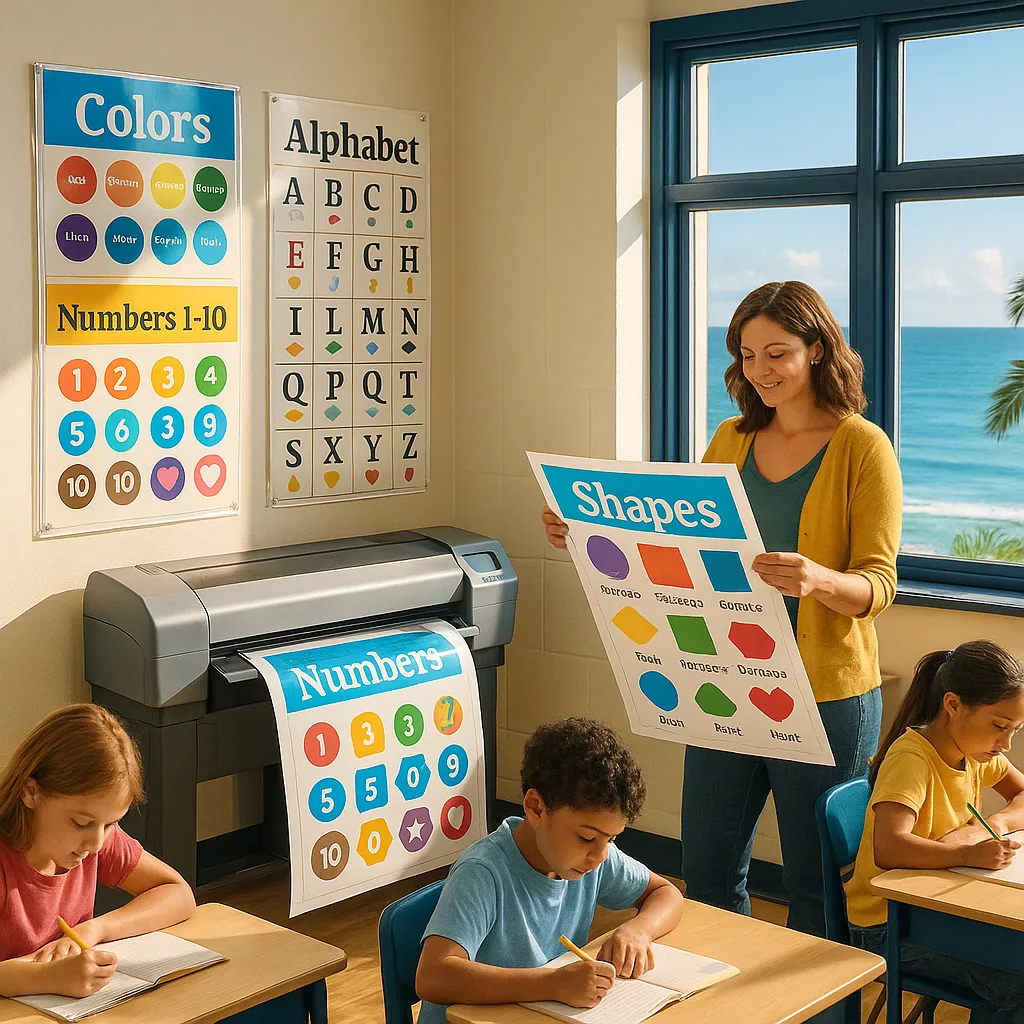
The Pacific Coast presents unique preservation challenges for educational materials. Salt-laden air, high humidity, and temperature fluctuations create a perfect storm for poster deterioration. I’ve seen vibrant classroom displays fade, curl, and develop unsightly spots within months of installation.
For instance, schools from San Diego to Seattle face these environmental factors daily. The microscopic salt particles carried by ocean breezes settle on surfaces, attracting moisture and accelerating corrosion. This affects not only the posters themselves but also the poster maker machine that creates them.
Furthermore, coastal fog adds another layer of complexity. The combination of salt and moisture creates an aggressive environment that standard paper products simply weren’t designed to withstand. This reality makes preservation strategies essential for maintaining vibrant learning environments.
Material Selection for Poster Machine Coastal Schools
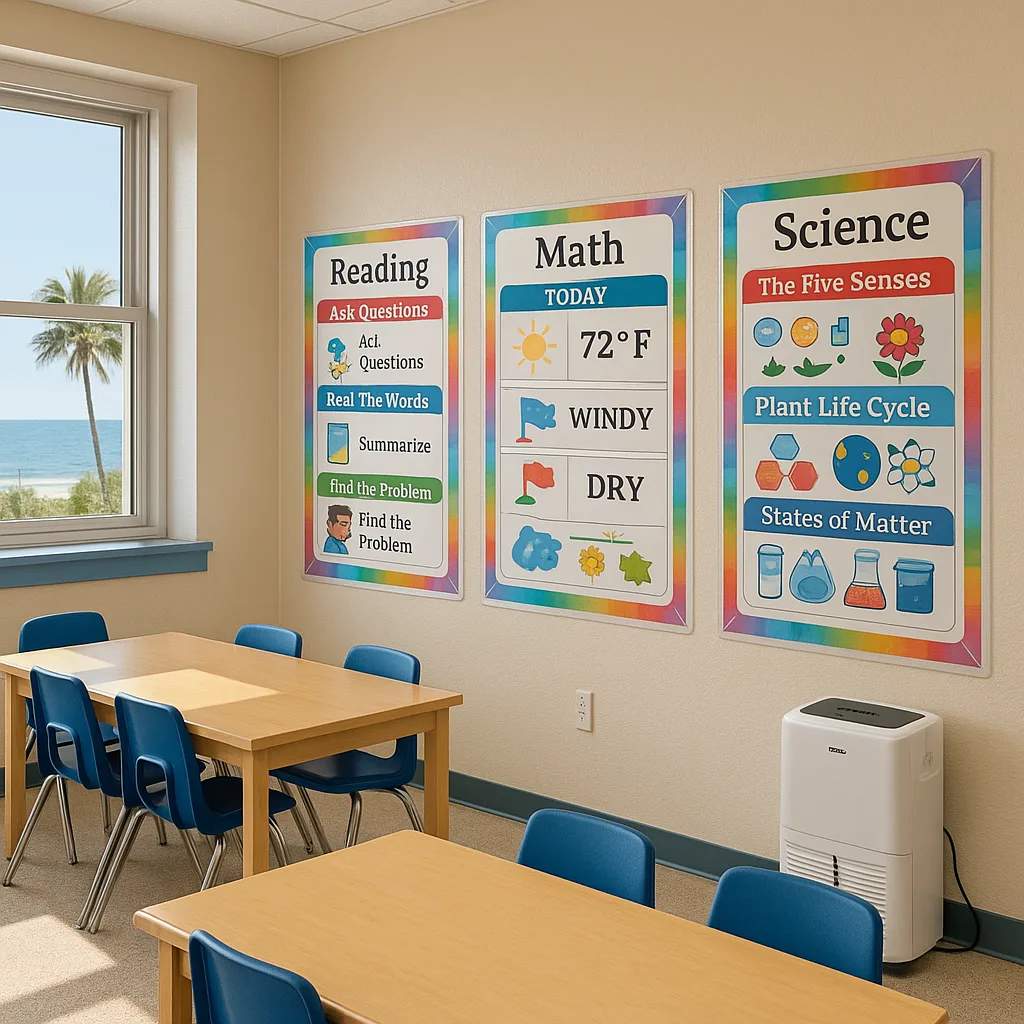
Selecting the right materials makes all the difference in coastal environments. Through years of working with seaside schools, I’ve identified several poster materials that withstand salt air exceptionally well. Premium media options specifically designed for durability should be your first consideration.
Additionally, vinyl-based materials outperform traditional paper in marine environments. The Campus Pro 36 Advanced Package works beautifully with weather-resistant vinyl, creating displays that maintain their vibrancy despite environmental challenges.
Moreover, synthetic papers offer excellent moisture resistance. These materials resist curling, fading, and the dreaded salt-spot formation that plagues coastal classrooms. They’re particularly effective when paired with pigment-based inks rather than dye-based alternatives.
Recommended Materials
Vinyl, Synthetic Paper, Laminated Poster BoardWhy They Work
These materials feature closed-cell structures that prevent salt penetration. Their non-porous surfaces resist moisture absorption, while UV-resistant coatings maintain color vibrancy even in bright coastal sunlight.Proven Preservation Techniques
Effective preservation begins the moment posters leave your poster machine. Here are field-tested strategies that coastal schools swear by.
Immediate Lamination
Laminate posters within 24 hours of printing. The Cold Laminator creates an impermeable barrier against salt and moisture. Cold lamination proves superior to heat lamination in coastal areas, as it doesn’t create micro-bubbles where salt can accumulate.
Strategic Placement
Position displays away from windows and doors where salt air enters. Interior hallways and classrooms with controlled ventilation systems provide ideal locations. Consider creating dedicated display zones with enhanced environmental controls.
Regular Maintenance
Implement weekly cleaning routines using microfiber cloths slightly dampened with distilled water. This removes salt deposits before they cause damage. Monthly inspections help identify early signs of deterioration.
Maintenance Schedules That Work
A structured maintenance approach prevents small issues from becoming major problems. Daily visual inspections take mere minutes but catch early warning signs. Weekly cleaning removes salt deposits before they cause permanent damage.
Daily Tasks (2-5 minutes)
• Visual inspection for curling edges
• Check for moisture accumulation
• Ensure ventilation systems are operating
• Document any changes in poster condition
Weekly Tasks (15-20 minutes)
• Gentle cleaning with microfiber cloths
• Rotate displayed posters
• Check lamination integrity
• Clean poster maker machine for schools components
Monthly Tasks (30-45 minutes)
• Deep cleaning of display areas
• Inspect storage conditions
• Replace damaged protective coverings
• Review and update preservation protocols
Quarterly & Annual Tasks
• Professional equipment servicing
• Comprehensive inventory assessment
• Update material specifications
• Staff training on preservation techniques
Success Stories from Coastal Classrooms
Real schools achieving remarkable results with smart preservation strategies.
“Since implementing these preservation techniques, our posters last three times longer. The Campus Pro 44 Elite Package paired with proper lamination has transformed our visual communications.”
— Maria Rodriguez, Principal
Monterey Bay Elementary
“The difference proper materials make is astounding. We switched to vinyl for outdoor displays and synthetic paper for high-traffic areas. Combined with our maintenance routine, we’ve virtually eliminated salt damage.”
— James Chen, Technology Coordinator
Pacific Coast Academy
Cost-Benefit Analysis
While preservation strategies require initial investment, the long-term savings prove substantial. Schools implementing comprehensive protection protocols report 50-70% reduction in poster replacement costs. The chart above illustrates typical cost trajectories over six years.
Furthermore, consider the hidden costs of frequent replacements: staff time, design recreation, and learning disruption. Investing in quality materials and protection methods delivers returns through reduced maintenance needs and extended display life. Total cost of ownership calculations should factor in environmental conditions.
Implementation Timeline
Starting your preservation program doesn’t require overwhelming changes. This phased approach ensures smooth implementation.
Assess current conditions
Inventory existing displays
Order preservation supplies
Begin lamination process
Implement storage systems
Train staff on procedures
Establish maintenance schedules
Monitor effectiveness
Adjust protocols as needed
Full implementation
Regular assessments
Continuous improvement
Conclusion: Your Coastal Advantage
Living near the Pacific Coast brings unique challenges, but with proper strategies, your school’s visual displays can thrive. By selecting appropriate materials, implementing preservation techniques, and maintaining equipment properly, coastal schools transform environmental challenges into opportunities for excellence.
Remember, successful preservation starts with quality equipment. A poster maker machine for schools designed with durability in mind provides the foundation for long-lasting displays. Combined with the strategies outlined above, your investment in visual communication tools will deliver returns for years to come.
The Pacific Coast advantage isn’t just about managing challenges—it’s about excelling despite them. With these preservation techniques, your school’s posters will remain vibrant, engaging, and effective, inspiring learning regardless of environmental conditions. Start implementing these strategies today and watch your visual communications flourish in the salt air.