

Poster Printer Machine for Title III Success
Understanding Poster Printer Machine Title III Applications
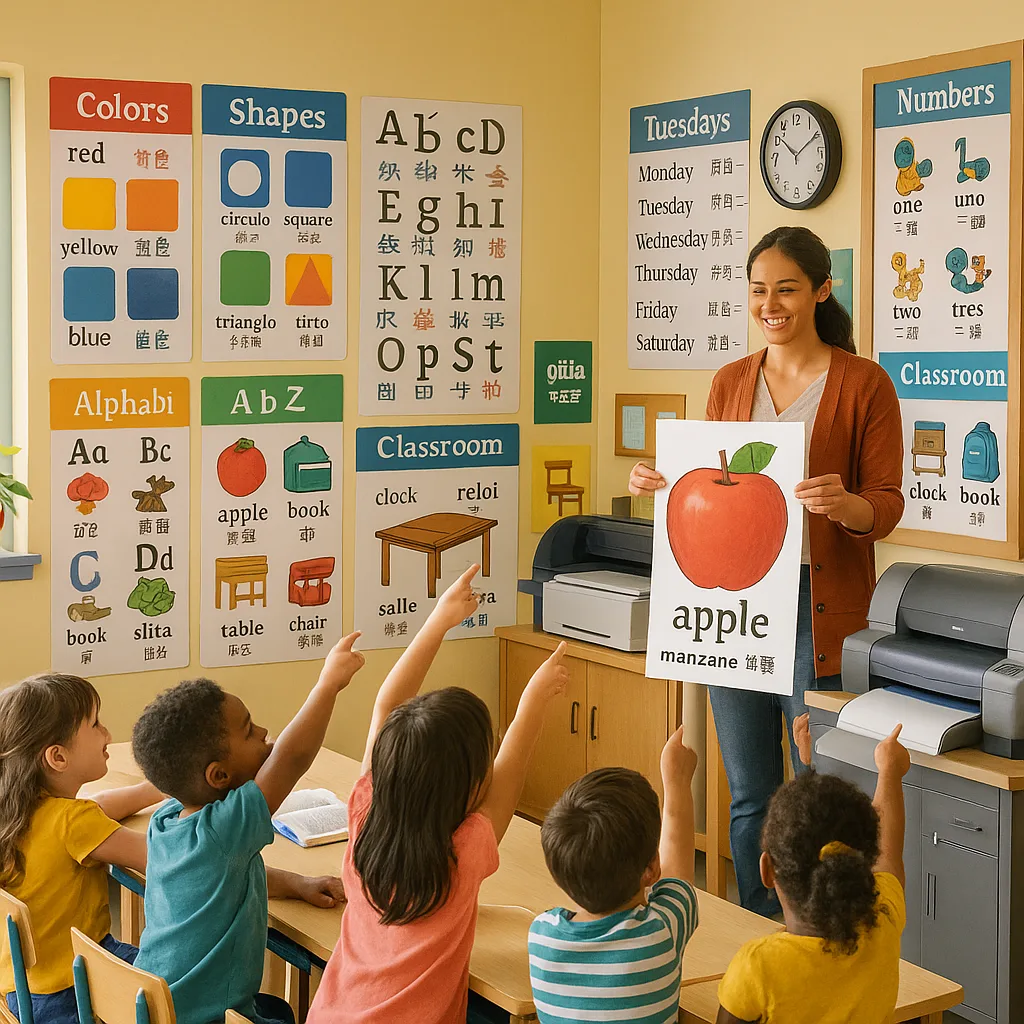
When I first learned about Title III funding, I saw it as just another grant application. However, after attending our district’s ELL coordinator meeting, I realized this funding could be the key to creating the visual-rich environment my multilingual learners desperately needed. Unlike traditional classroom supplies, poster printer machines offer sustainable, customizable solutions that grow with our students’ needs.
Title III specifically supports English Language Learners through supplemental educational services. What better way to supplement learning than with custom visual aids created exactly when we need them? Instead of ordering pre-made posters that might not match our curriculum or student demographics, we can design materials that reflect our unique classroom community.
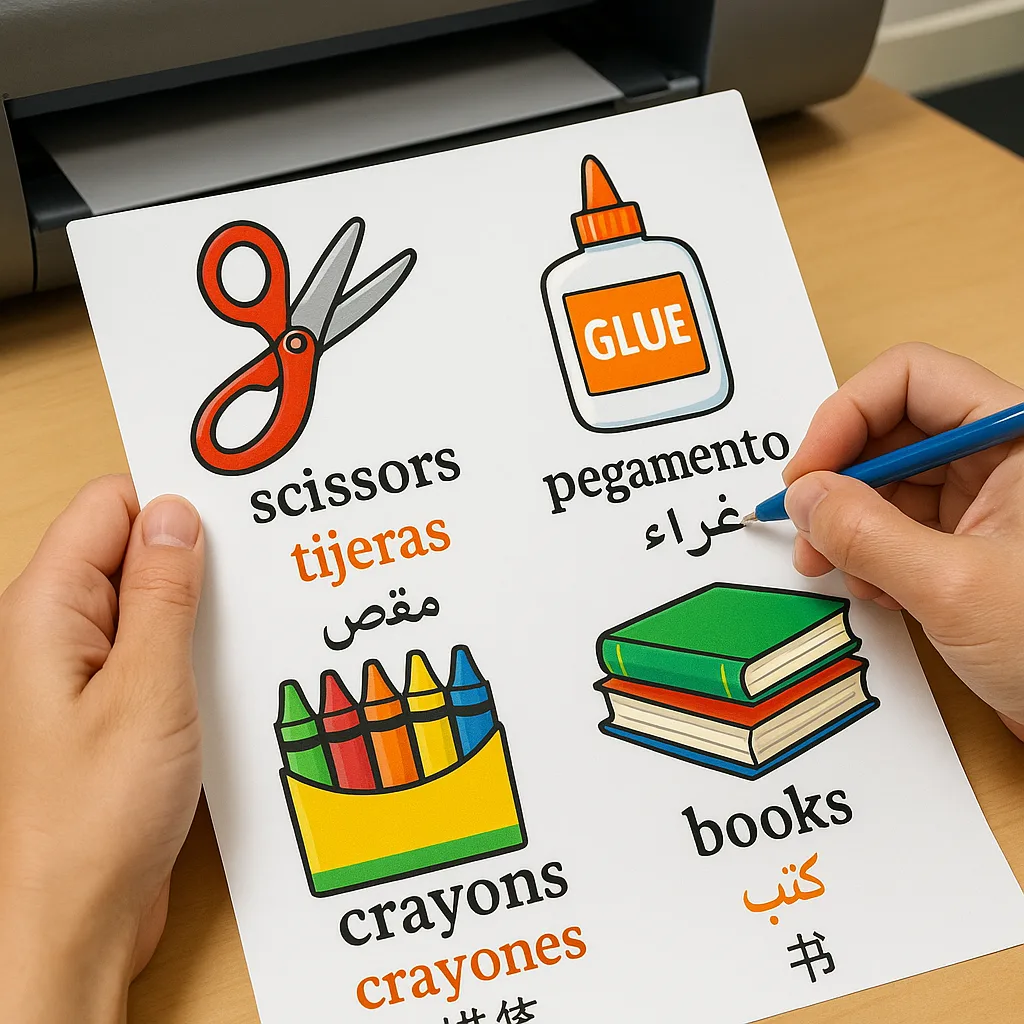
The beauty of using Title III funds for a poster maker lies in its versatility. Yesterday, I created welcome signs in Spanish, Mandarin, and Arabic for parent-teacher conferences. Today, I’m designing dual-language vocabulary cards for our weather unit. Tomorrow? Perhaps visual step-by-step instructions for our science experiment, complete with photos of my actual students demonstrating each step.
Building Bridges with Parent Communication Materials
Parent engagement often feels like the missing puzzle piece in ELL education. Many of our families want to support their children but face language barriers that make traditional communication challenging. This is where our poster printer machines truly shine.
Every Friday, I create “Weekend Learning” posters featuring photos from our week, simple bilingual captions, and conversation starters families can use at home. These visual newsletters have transformed our home-school connection. Parents who previously felt disconnected now engage actively, using the images as springboards for discussions about their child’s day.
I’ve also started creating visual homework guides. Instead of sending home text-heavy instructions, I design step-by-step visual guides with minimal text in multiple languages. One parent recently told me through a translator that for the first time, she could help her daughter with math homework because the visual instructions made the process clear.
The Campus Pro 36 Poster Maker Advanced Package has been particularly valuable for creating larger parent communication displays. We’ve used it to design welcoming banners for school events, visual directories showing where to find important school services, and even picture-based emergency procedures that all families can understand regardless of language proficiency.
Strategic Implementation: Making Every Dollar Count
When presenting to our school board about using Title III funds for a poster printer machine, I emphasized the long-term cost savings. Previously, we spent hundreds of dollars each year on pre-made posters that didn’t quite fit our needs. Now, with our in-house printing capability, we create exactly what we need, when we need it.
The key to successful implementation lies in strategic planning. I’ve developed a system where I batch-create materials during prep periods. Every Monday, I design the week’s visual supports based on upcoming lessons. This proactive approach ensures I’m never scrambling for materials and can maintain consistency in our visual language across subjects.
I’ve also discovered the power of student involvement. My ELL students love being “poster helpers,” suggesting translations and even creating their own visual vocabulary cards. This ownership has dramatically increased their engagement and confidence. One particularly shy student, Miguel, now eagerly volunteers to explain our bilingual math posters to visitors.
Our funding coordinator helped us understand that Title III funds can cover not just the initial equipment but also ongoing supplies like coated poster paper and ink. This comprehensive approach ensures sustainable implementation without straining our general classroom budget.
Overcoming Common Challenges with Poster Printer Machine Title III Projects
Like any new initiative, implementing visual learning strategies through poster printing has presented challenges. Initially, I worried about the time investment. Would creating custom materials eat into precious planning time? Surprisingly, I’ve found the opposite to be true. Once I developed a workflow, creating posters became faster than searching for and adapting pre-made materials.
Storage was another concern in our already-crowded classroom. We solved this by creating a rotating display system. Current unit posters hang on walls and bulletin boards, while previous materials are stored in labeled portfolios that students can access for review. This system has turned our poster collection into a growing visual library that supports spiral review throughout the year.
Some colleagues initially questioned whether students might become too dependent on visual supports. However, we’ve found that strategic use of visuals actually accelerates language independence. As students internalize vocabulary through repeated visual exposure, they gradually rely less on the images and more on their expanding language skills.
The biggest challenge has been ensuring equitable representation across all home languages in our classroom. With seven languages represented, creating materials in every language for every lesson isn’t feasible. We’ve addressed this through strategic prioritization, focusing on languages with the largest representation while ensuring every language appears somewhere in our classroom environment.
Measuring Success: Beyond Test Scores
While standardized assessments have their place, the true success of our visual learning initiative shows in daily moments. When Sofia confidently reads aloud for the first time, pointing to our word wall for support. When Ahmed’s parents attend their first school event because our visual invitation made them feel welcomed. When the entire class erupts in celebration as they recognize a new vocabulary word on our morning poster.
Our poster printer machine title III investment has yielded returns far beyond language acquisition. Class participation has increased dramatically, with formerly silent students now actively engaging through visual communication. Behavior incidents have decreased as students better understand expectations through our visual behavior charts. Most remarkably, our English-speaking students have embraced multilingualism, often asking to learn words in their classmates’ languages.
I track progress through photo portfolios showing each student’s interaction with visual materials over time. These portfolios have become powerful assessment tools, revealing growth that traditional tests might miss. Parents treasure these visual progress reports, which clearly show their child’s learning journey without requiring translation.
The data supports what we see daily: engagement surveys show 89% of ELL families feel more connected to our classroom since we began creating bilingual visual materials. Student vocabulary assessments indicate accelerated growth, with most students exceeding district benchmarks. Perhaps most tellingly, attendance among ELL students has improved by 15% as students feel more confident and connected in our visually rich environment.
Your Visual Learning Journey Starts Here
Looking back at those first overwhelming days, I can hardly believe the transformation. Our once-blank walls now tell stories in seven languages. Students who entered silently now lead classroom discussions. Parents who felt disconnected have become active partners in their children’s education. All because we invested in the right tools to bridge language gaps visually.
The journey hasn’t always been smooth. There were late nights learning design software, moments of doubt when a poster didn’t turn out as planned, and ongoing challenges in balancing multiple languages. Yet every small victory – a student’s face lighting up when they see their home language on our wall, a parent’s grateful tears at finally understanding their child’s homework – confirms we’re on the right path.
If you’re considering using Title III funds for a poster printer machine, my advice is simple: start small but think big. Begin with one successful project that demonstrates impact, then build from there. Document everything – take photos, collect feedback, track progress. This evidence will support future funding requests and inspire other educators to embrace visual learning strategies.
Remember, creating an inclusive classroom isn’t about perfection; it’s about connection. Every poster we create says to our students and families: “You belong here. Your language matters. We’re learning together.” That message, displayed boldly on our walls and carried home in visual materials, transforms more than vocabulary – it transforms lives.
Ready to begin your own transformation? Explore how finding the right poster maker can help you maximize Title III funding while creating the inclusive, visually rich learning environment your ELL students deserve. Because when we bridge language gaps with intentional visual support, we’re not just teaching English – we’re building futures.