

Extend Print Lifespan with the Right Substrates
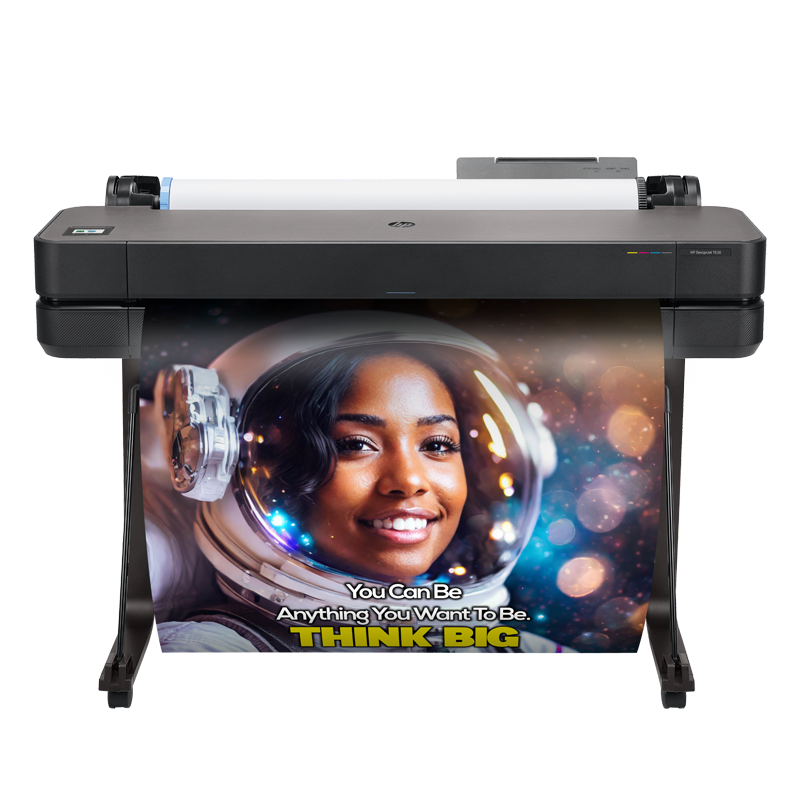
Extend Print Lifespan: The Key to Timeless Artwork and Photographs
Extending the print lifespan is essential for anyone who values their printed artwork or photographs. When you invest time and money into creating or acquiring beautiful prints, you naturally want them to last as long as possible. Choosing the right substrate is a pivotal step in this process. Not only does it affect the visual appeal of your prints, but it also plays a significant role in how well they withstand the test of time. In this guide, we’ll explore how selecting the appropriate substrate can help you extend print lifespan and preserve your cherished images for years to come.
Understanding Substrates
What Is a Substrate in Printing?
In the world of printing, a substrate refers to the base material onto which images and text are printed. It’s the canvas, so to speak, that holds the ink and displays your artwork or photographs. The substrate you choose can dramatically influence the quality, durability, and overall look of your print. By selecting the right substrate, you can significantly extend print lifespan and ensure your prints maintain their vibrancy over time.
Common Types of Substrates
There are a variety of substrates available, each with unique characteristics that make them suitable for different kinds of prints. Here’s a rundown of some of the most popular options:
- Paper: The most traditional substrate, paper comes in various weights, textures, and finishes. It’s versatile and widely used for everything from photographs to posters.
- Canvas: Popular for fine art reproductions, canvas provides a textured surface that adds depth to images. It’s excellent for giving prints a more artistic, painted feel.
- Metal: Printing on metal substrates like aluminum can produce stunning, high-definition images with a modern look. Metal prints are durable and resistant to moisture.
- Acrylic: Acrylic substrates offer a glossy finish that enhances color vibrancy and sharpness. They’re ideal for contemporary displays and can protect prints from UV light.
Differences in Texture, Appearance, and Suitability
Each substrate type brings its own texture and appearance to the table, affecting not just the look but also how well you can extend print lifespan. Here’s what you need to know:
- Texture: Canvas has a noticeable texture that can enhance the artistic quality of a print, while paper can range from smooth to rough, depending on the finish.
- Appearance: Metal and acrylic substrates provide a sleek, modern look with high gloss and sharp detail, perfect for vibrant, high-contrast images.
- Suitability: The intended use of the print often dictates the best substrate. For example, canvas is excellent for home décor, while durable materials like metal are suitable for outdoor displays or high-traffic areas.
Choosing the right substrate involves considering both the aesthetic you want to achieve and the practical aspects of where and how the print will be displayed.
How Substrates Affect Print Longevity
Environmental Factors and Substrate Reaction
Environmental conditions can significantly impact how long your prints last. Factors like light exposure, humidity, and temperature fluctuations can cause prints to deteriorate if the substrate isn’t up to the challenge. Here’s how different substrates react:
- Light: UV light can fade inks over time. Substrates like acrylic often come with UV protection, helping to extend print lifespan by shielding the ink from harmful rays.
- Humidity: Paper substrates may warp or develop mold in high-humidity environments, while materials like metal or specially treated canvas resist moisture.
- Temperature: Extreme temperatures can cause some substrates to expand or contract, leading to cracking or warping. Durable substrates like metal are more temperature-stable.
Understanding how your chosen substrate interacts with environmental factors is crucial for ensuring the longevity of your prints.
Resistance to Fading and Discoloration
Different substrates offer varying levels of resistance to fading and discoloration, which is key to extending print lifespan. For example:
- Acrylic: Provides excellent protection against UV light, reducing the risk of fading.
- Metal: Inks bond well with metal substrates, and the surface resists oxidation, helping maintain color integrity over time.
- Archival Paper: Acid-free, archival-quality papers are less prone to yellowing and can keep prints looking fresh for decades.
By choosing a substrate with natural resistance to environmental degradation, you can prolong the vibrancy and clarity of your prints.
Examples of Durable Substrates
When longevity is a top priority, consider these substrates known for their durability:
- Aluminum: Ideal for metal prints, aluminum is lightweight, sturdy, and resistant to moisture and UV light.
- Archival Canvas: Treated to be acid-free and often coated for additional protection, archival canvas can last for generations.
- Polypropylene and Vinyl: These synthetic materials are excellent for banners and outdoor signage due to their resistance to tearing and weathering.
Selecting one of these substrates can significantly extend print lifespan, ensuring your images remain as striking as the day they were printed.
Selecting the Appropriate Substrate
Consider the Print’s Intended Use
To choose the right substrate and effectively extend print lifespan, start by considering where and how the print will be used:
- Indoor Displays: For prints that will hang indoors away from direct sunlight, high-quality paper or canvas may suffice.
- High-Traffic Areas: In spaces where prints may be touched or bumped, durable substrates like acrylic or metal are preferable.
- Outdoor Use: For exterior signage or art, substrates that withstand weather conditions, such as vinyl or treated metal, are essential.
Understanding the environment helps you select a substrate that not only looks great but also stands up to specific challenges.
Archival Quality and Acid-Free Options
If you’re aiming for maximum longevity, especially for fine art or valuable photographs, opting for archival-quality and acid-free materials is crucial:
- Archival Paper: Made to last without deteriorating, this paper resists yellowing and brittleness.
- Acid-Free Canvas: Prevents the substrate from breaking down over time, which can affect the print’s appearance.
- Protective Coatings: Some substrates come with coatings that add an extra layer of defense against UV light and moisture.
These options are designed to extend print lifespan significantly, preserving your prints for future generations.
Consult with Professionals
Selecting the right substrate can be a complex decision with long-term implications for your prints. Consulting with printing professionals can provide valuable insights:
- Expert Advice: Professionals can recommend substrates based on the latest technology and materials.
- Customized Solutions: They can tailor recommendations to your specific needs, whether it’s for a personal project or a professional display.
- Quality Assurance: Working with experts ensures that the printing process optimally matches the substrate, further extending print lifespan.
Don’t hesitate to reach out to professionals who can guide you toward the best choices for your precious prints.
Making an Informed Choice to Extend Print Lifespan
By now, you understand the critical role substrates play in the durability and longevity of your prints. From considering environmental factors to selecting archival-quality materials, every decision impacts how well you can extend print lifespan. Remember, the right substrate not only enhances the aesthetic appeal of your artwork or photographs but also protects them from the elements that can cause degradation over time. Take the time to evaluate your options carefully, and don’t hesitate to seek professional advice to ensure you’re making the best possible choice for your needs. This way, you’ll enjoy your beautiful prints for many years to come.
Caring for Your Prints: Maintenance Tips to Extend Their Lifespan
Proper Care to Extend Print Lifespan
As cherished pieces of art or treasured memories captured by your printer, prints hold a special place in our hearts. To extend print lifespan and keep them looking vibrant for years to come, proper care is essential. While choosing the right substrate plays a significant role in preservation—as we discussed previously—how you maintain and handle your prints is equally important. In this guide, we’ll explore practical tips and techniques to help you extend print lifespan and ensure your prints remain as stunning as the day they were made.
Proper Handling Practices
Handle with Clean Hands or Gloves
One of the simplest yet most effective ways to extend print lifespan is by handling prints with care. Before touching any print, wash your hands thoroughly to remove oils, lotions, or dirt that could transfer onto the print surface. Even better, wear clean, white cotton gloves to provide an extra barrier against contaminants. Gloves are particularly important when handling high-value or irreplaceable prints. By minimizing direct contact, you reduce the risk of smudges, fingerprints, and other marks that can detract from the print’s appearance and longevity.
Avoid Touching the Print Surface
When moving or examining prints, always handle them by the edges or use both hands to support them from underneath. Touching the surface directly, especially on prints produced by high-resolution printers, can damage delicate finishes or leave unwanted marks. This is crucial for prints on glossy or metallic paper, where fingerprints are more visible. Using tools like print tongs or archival-quality sleeves can also aid in handling without compromising the print. Remember, careful handling is key to preserve quality and extend print lifespan.
Prevent Exposure to Oils and Moisture
Our environment is filled with potential hazards for prints, and oils and moisture top the list. Even the smallest amount of oil from our skin can cause deterioration over time. Similarly, moisture can lead to mold growth or cause inks to run, especially for prints not adequately sealed or protected. When displaying or storing prints, ensure they are kept away from areas prone to spills or high humidity. If you need to transport prints, consider using acid-free tissue paper or archival plastic sleeves to shield them from accidental exposure. By taking these precautions, you’re actively working to extend print lifespan and maintain the integrity of your images.
Environmental Factors to Consider
Protect Against Harmful Light Exposure
Exposure to light, particularly ultraviolet (UV) rays, can cause prints to fade or discolor over time. To extend print lifespan, it’s crucial to limit the amount of direct sunlight your prints receive. Consider displaying your prints in areas that don’t get strong sunlight or use UV-protective glass when framing. Additionally, using curtains or blinds to control the amount of natural light in a room can help minimize UV exposure. Your printer creates vibrant images, but prolonged light exposure can diminish their brilliance. By taking steps to shield your prints from harsh light, you’ll preserve their vivid colors longer.
Control Humidity and Temperature
Prints are sensitive to environmental conditions like humidity and temperature fluctuations. High humidity can lead to mold growth or cause prints to stick to one another, while low humidity can make them brittle. Aim to keep your prints in environments where the humidity is between 35% and 55%. Similarly, extreme temperatures can cause warping or fading. Keeping your prints in a climate-controlled environment helps to extend print lifespan. Consider using a dehumidifier in damp environments or a humidifier in overly dry areas. Investing in a hygrometer can help you monitor humidity levels accurately.
Choose the Right Display Location
The placement of your prints within a space can influence their longevity. Avoid placing prints near heating vents, air conditioners, or fireplaces, where sudden changes in temperature and airflow can cause damage. Kitchens and bathrooms, while common places for decoration, are typically high in humidity and should be avoided for print display. Hallways or rooms with heavy foot traffic may pose risks of accidental bumps or contact. Instead, opt for interior walls away from windows and vents. If wall space is limited, consider displaying prints in protective cases or rotating them periodically to limit exposure. Thoughtful placement is a proactive step to extend print lifespan and ensure their continued enjoyment.
Protective Measures for Longevity
Frame with UV-Protective Glass or Acrylic
Framing your prints not only enhances their appearance but also provides vital protection. Using UV-protective glass or acrylic in your frames significantly reduces the amount of ultraviolet light that reaches your prints, helping to prevent fading. This simple step can extend print lifespan by preserving the vibrant colors your printer produced. When selecting frame glazing, look for materials specifically labeled as UV-protective or museum-quality. Additionally, consider factors like weight and shatter resistance; acrylic is lighter and less prone to breakage, making it ideal for larger prints or high-traffic areas.
Use Archival-Quality Framing Materials
The materials used in framing and mounting can affect the longevity of your prints. Acidic materials can cause discoloration or deterioration over time. To extend print lifespan, opt for archival-quality, acid-free mats, backing boards, and adhesives. These materials are designed to be pH-neutral or alkaline-buffered, ensuring that they don’t contribute to the degradation of your prints. Consult with a professional framer who understands the importance of using conservation-grade materials. By using these materials, you create a safe micro-environment for your prints, effectively working to preserve their original condition.
Consider Lamination or Protective Coatings
For prints that are frequently handled or displayed in high-traffic areas, lamination or applying a protective coating can offer additional defense against physical wear and tear. Lamination involves sealing the print between layers of protective film, guarding against scratches, fingerprints, and moisture. There are two primary types of lamination: hot and cold. Hot lamination uses heat to seal the print between layers of film, offering a robust barrier against moisture and physical damage. However, it’s essential to ensure that the print materials can withstand heat without damage. Products like the Hot Laminator are designed for professional-quality lamination.
Alternatively, cold lamination, such as with cold lamination rolls, doesn’t involve heat and is ideal for heat-sensitive prints. Applying a protective coating, like a UV-resistant spray, can also help shield the print surface. These measures not only protect against physical damage but also extend print lifespan by reducing exposure to harmful elements.
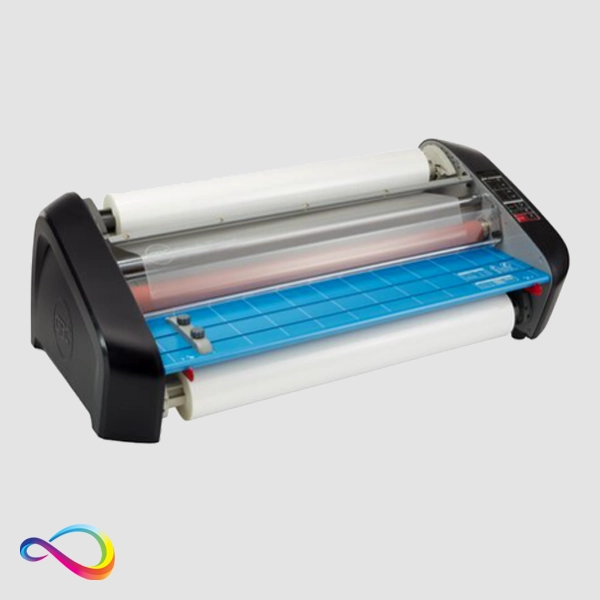
Using a Hot Laminator offers professional-grade protection, sealing prints to extend their lifespan.
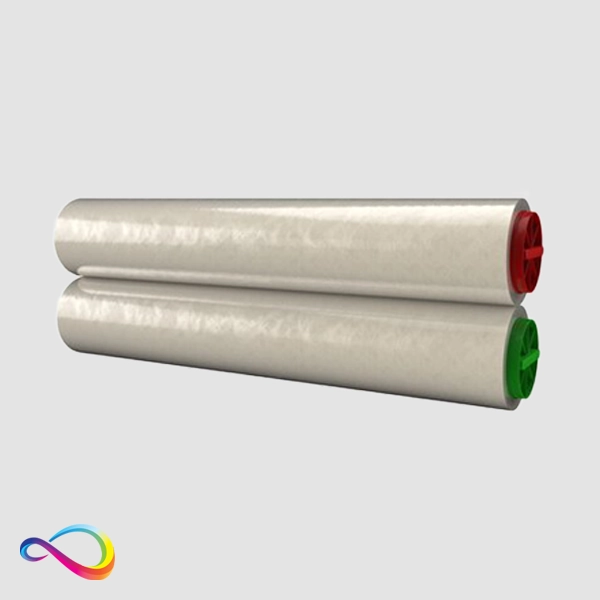
Cold Lamination Rolls are ideal for heat-sensitive prints, offering protection to extend print lifespan without heat.
Regular Maintenance Practices
Clean Your Prints Carefully
Over time, prints can accumulate dust and minor debris. Cleaning them properly is essential to extend print lifespan without causing damage. Use a soft, dry microfiber cloth to gently remove dust from the surface. Start from the center and work outward to avoid dragging particles across the print. Avoid using cleaning solutions or water unless specified as safe for the print type. For framed prints, cleaning the glass with a glass cleaner sprayed onto a cloth—not directly onto the glass—can prevent moisture from seeping in. Never apply liquids directly to the print surface, as this can cause irreparable damage.
Perform Periodic Inspections
Regularly inspecting your prints allows you to catch early signs of deterioration, such as fading, discoloration, insect activity, or mold growth. By identifying issues promptly, you can take corrective measures to preserve your prints. Use a magnifying glass to examine details, and take note of any changes. If your prints are stored in albums or boxes, ensure that storage materials remain in good condition. Make it a habit to assess your prints every few months, paying close attention to any changes. This proactive approach is a simple yet effective way to extend print lifespan.
Seek Professional Restoration When Necessary
If you notice significant damage or deterioration, such as severe fading, tears, or water damage, it’s best to consult a professional conservator or restorer. Attempting to repair prints yourself may lead to further harm. Professionals have the expertise and tools to restore your prints carefully. Restoration services can address issues like tears, water damage, foxing (brown spots), or fading. Investing in professional restoration not only revives your cherished prints but also helps to extend print lifespan for future enjoyment.
Conclusion
Your prints are more than just images; they are memories, art pieces, and expressions of creativity. By adopting proper handling techniques, considering environmental factors, implementing protective measures, and maintaining regular care, you can significantly extend print lifespan. These practices ensure that the vibrant colors and details produced by your printer remain intact for years to come. We encourage you to apply these tips and enjoy the lasting beauty of your cherished prints. Remember, the effort you put into caring for your prints today will preserve them for future generations to appreciate.