Poster Machine Economics: Laminate or Replace Guide
Understanding the True Cost of Poster Protection
When we think about poster protection, our minds often jump straight to the upfront cost of lamination. However, the complete picture involves multiple factors that affect both your wallet and your well-being. Research from the Journal of Educational Administration shows that teachers spend an average of $500-$750 annually on classroom materials, with visual aids representing approximately 30% of this expense.
Let me share a story from my counseling days. Sarah, a dedicated third-grade teacher, spent countless weekend hours creating beautiful educational posters, only to watch them deteriorate within weeks. The stress of seeing her hard work fade affected not just her budget but her enthusiasm for creating engaging visual materials. This scenario plays out in classrooms everywhere, highlighting why understanding printing costs is crucial for sustainable teaching practices.

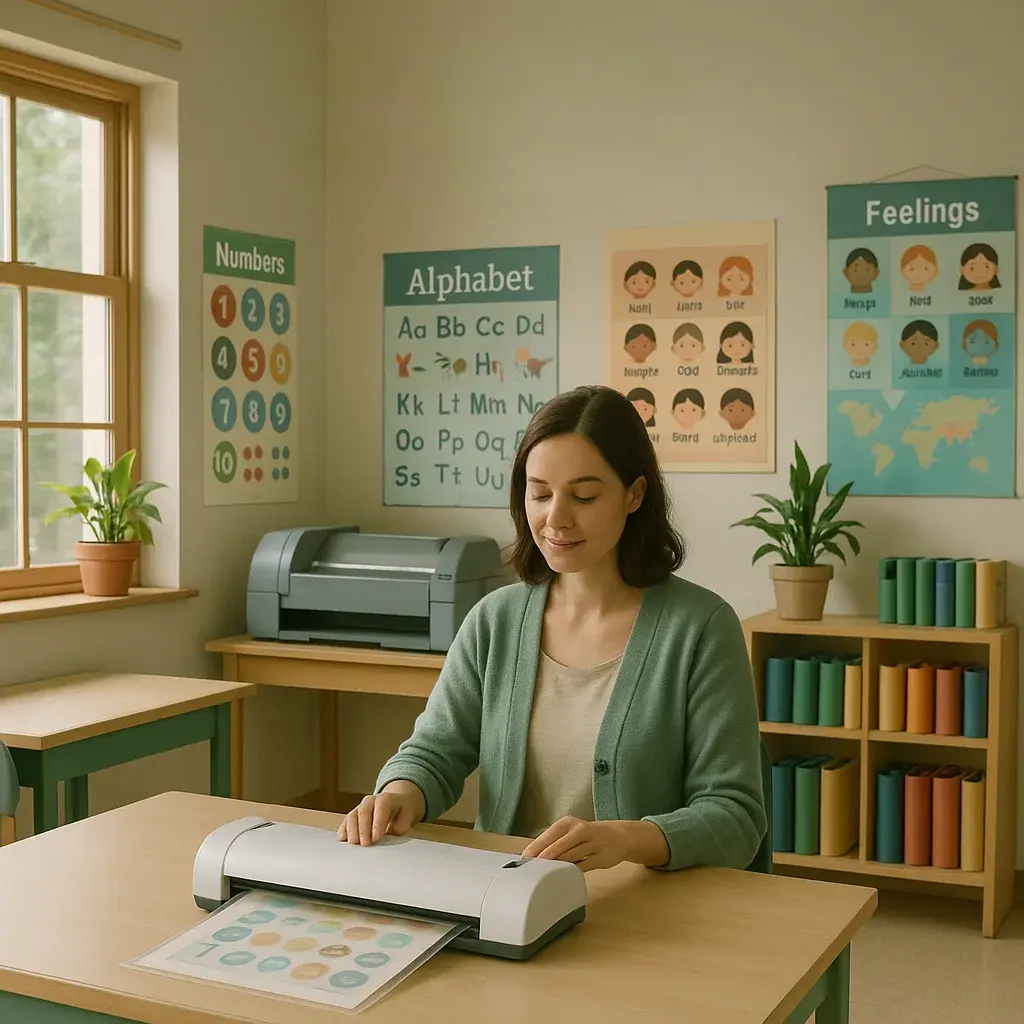
The psychological impact of constantly replacing materials cannot be overstated. Each time you recreate a poster, you’re not just spending money—you’re investing emotional energy and precious time that could be spent on self-care or lesson planning. This is where having a quality poster machine for schools becomes invaluable, as it reduces the stress of recreation while maintaining visual quality.
Factors That Influence Your Decision
Understanding the variables that affect poster longevity helps create a framework for mindful decision-making. Based on my work with schools nationwide, I’ve identified key factors that should guide your lamination choices.
Usage Frequency and Location
High-touch areas require different consideration than protected classroom spaces. For instance, posters near water fountains or in gymnasiums face unique challenges. A quality banner printing machine can create durable materials suited for these demanding environments, potentially reducing the need for lamination.
Educational Purpose and Lifespan
Core curriculum materials that remain relevant throughout the school year deserve protection. Meanwhile, student celebration posters or weekly announcements might not warrant the investment. This distinction helps preserve both resources and teacher energy.
Environmental Considerations
Mindful educators increasingly consider the environmental impact of their choices. While lamination extends poster life, it also creates non-recyclable waste. Understanding paper and media types can help you choose eco-friendly options that balance durability with sustainability.
Practical Strategies for Poster Machine for Schools Economics
Let me share evidence-based strategies that balance financial wisdom with teacher wellness:
The 3-Touch Rule
If students or staff will touch a poster more than three times daily, lamination pays for itself within two weeks. This simple guideline eliminates decision paralysis.
Batch Processing for Mental Health
Schedule lamination sessions monthly rather than daily. This approach reduces decision fatigue and creates a calming routine. Many teachers find this ritual meditative, especially when paired with mindful breathing exercises.
Strategic Material Selection
Investing in a quality poster machine for schools allows you to print on various media. For example, vinyl materials for outdoor use eliminate lamination needs entirely, while premium papers may suffice for protected indoor displays.
Your Personal Decision Framework
Remember, every choice you make should support both your classroom’s visual learning environment and your personal well-being. When in doubt, choose the option that preserves your energy for what matters most: connecting with students.
Making the Investment Work for You
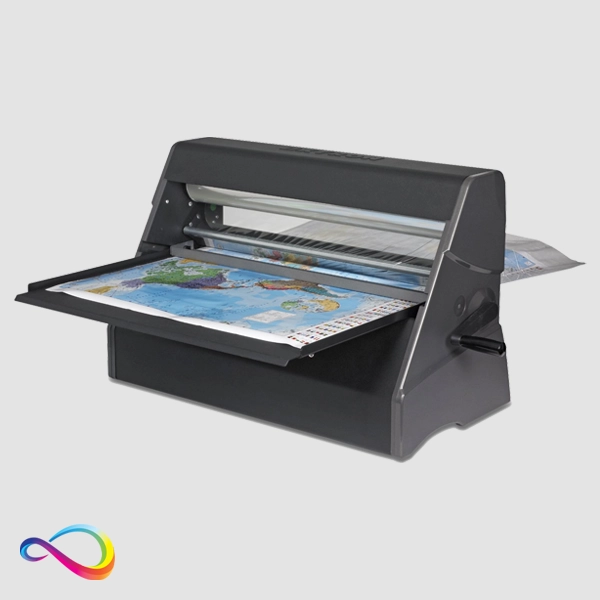
The decision between laminating and replacing posters ultimately reflects your values around time, money, and well-being. Schools investing in comprehensive solutions like a cold laminator alongside their poster printing equipment often report significant improvements in teacher satisfaction and reduced material costs.
Consider exploring funding sources that can help offset initial equipment investments. Many grants specifically support teacher wellness initiatives, recognizing that reducing workplace stress improves educational outcomes.
As you navigate these decisions, remember that self-care isn’t selfish—it’s essential. Every hour saved on poster recreation is an hour you can invest in lesson planning, professional development, or simply resting. Your students benefit most when you’re energized and inspired, not exhausted from recreating the same materials repeatedly.
The economics of poster protection extend far beyond simple cost calculations. They touch the heart of sustainable teaching practices and educator wellness. By making thoughtful choices about when to laminate versus replace, you’re not just managing a budget—you’re investing in a teaching practice that can flourish for years to come.