

Poster Machine Sustainability Green Printing Analysis
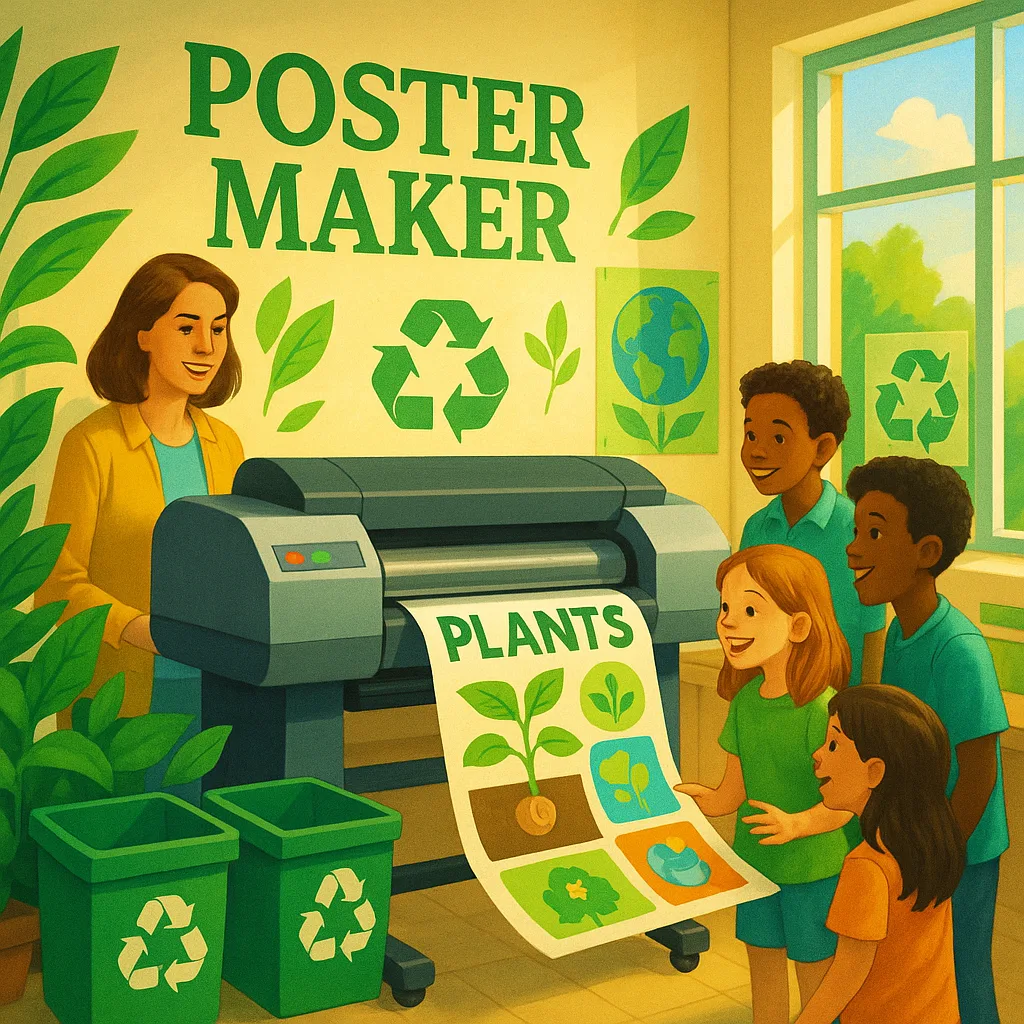
Before we invested in our poster maker printer, our school’s visual materials followed a familiar yet environmentally costly path. We’d send design files to off-site print shops, wait for production, and arrange for delivery or pickup. This process, multiplied across thousands of schools nationwide, creates a substantial environmental footprint that often goes unnoticed in our daily educational routines.
The transportation alone tells a compelling story. Each round trip to the print shop averaged 12 miles, consuming fuel and releasing emissions. During peak periods like back-to-school season, we’d make this journey twice weekly. Add the delivery trucks servicing multiple schools, and the carbon impact becomes staggering.
Transportation emissions reduced with in-house printing
Transportation Impact Analysis
Our detailed tracking revealed that outsourced printing generated approximately 45kg of CO2 emissions per 100 posters from transportation alone. This includes:
• Print shop delivery vehicles serving multiple locations
• Individual teacher trips for rush orders
• Special delivery services for large banners
• Return trips for reprints due to errors
With our poster machine, these emissions dropped to zero. Teachers now walk down the hall instead of driving across town.
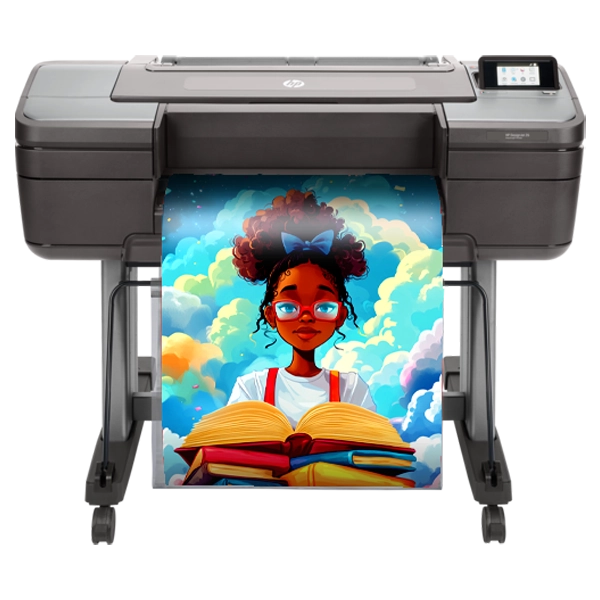
Campus Pro 24 Poster Maker – Compact sustainability
Implementing Eco-Friendly Printing Practices
Based on our experience and research, here are proven strategies for maximizing the environmental benefits of your school’s poster maker printer:
1. Digital-First Design Process
Before printing, we implemented a digital approval system. Teachers share designs via our school network, reducing test prints by 75%. This simple change saved hundreds of sheets annually.
2. Standardized Poster Sizes
We created templates for common sizes (18″x24″, 24″x36″), minimizing paper waste from custom cuts. This standardization also simplified our recycling process.
3. Print Queue Management
Instead of immediate printing, we batch similar projects. This reduces the poster machine’s startup cycles and conserves energy. Teachers appreciate the organized workflow.
4. Reusable Display Systems
We invested in frames and lamination for frequently updated displays. Instead of reprinting, we simply swap content. The Cold Laminator extends poster life significantly.
5. Student Environmental Education
Our Green Team students monitor printing statistics and create monthly sustainability reports. They’ve become advocates for responsible printing practices throughout the school.
Our comprehensive Printing Costs analysis reveals that environmental savings often align with financial benefits. Schools typically save 40-60% on printing costs while reducing their carbon footprint by similar percentages.
The data becomes even more compelling when considering long-term impacts. Over five years, a single poster machine can prevent approximately:
• 2.5 tons of CO2 emissions from transportation
• 1,200 pounds of packaging waste
• 800 gallons of fuel consumption
• 500 pounds of unused poster waste
These figures represent just one school’s impact. Imagine the collective environmental benefit when thousands of schools adopt sustainable printing practices.
Taking Action: Your Sustainability Roadmap
Ready to transform your school’s environmental impact through sustainable printing? Here’s your action plan:
The journey toward poster machine sustainability starts with understanding your current environmental impact and recognizing the transformative potential of in-house printing. Our school’s experience proves that environmental responsibility and educational excellence go hand in hand.
By investing in quality equipment like the Classroom Pro 24 Poster Maker Advanced Package, implementing smart printing practices, and engaging your entire school community, you can significantly reduce your environmental footprint while enhancing educational outcomes.
Remember, every poster printed in-house represents emissions saved, waste reduced, and resources conserved. Together, we’re not just creating better learning environments—we’re modeling environmental stewardship for the next generation.