

Walking into my first-grade classroom this morning, I noticed something magical happening at our growth garden wall. Instead of comparing themselves to others, my students were excitedly adding new flower petals to their personal progress plants, each bloom representing a skill they’d mastered. This visual celebration of individual growth has transformed how we track progress in Room 12, and I’m thrilled to share how poster machines for progress tracking have helped us create anxiety-free learning metrics that truly motivate.

Why Traditional Data Walls Can Create Pressure

Before discovering better ways to display progress, I’ll admit I used traditional data walls in my classroom. You know the type – charts with every student’s reading level displayed for all to see. While my intention was to celebrate achievement, I quickly noticed some concerning patterns. Students would compare themselves constantly, and those struggling felt exposed and discouraged.

Research shows that public comparison can actually decrease motivation, especially for young learners who are still developing their sense of self. When six-year-olds see their name at the bottom of a chart, they don’t think “I need to work harder.” Instead, they often internalize messages like “I’m not smart” or “Everyone knows I’m behind.”

After witnessing tears during what should have been celebratory moments, I knew there had to be a better way. That’s when I started exploring how visual displays could motivate without the pressure, leading me to completely reimagine our classroom’s approach to progress tracking.
Reimagining Progress with Poster Machines for Progress Tracking

The game-changer for our classroom came when our school invested in poster maker machines. Suddenly, I could create customized, beautiful progress displays that celebrated individual journeys rather than fostering competition. These weren’t just charts – they became interactive, evolving artworks that students took ownership of.

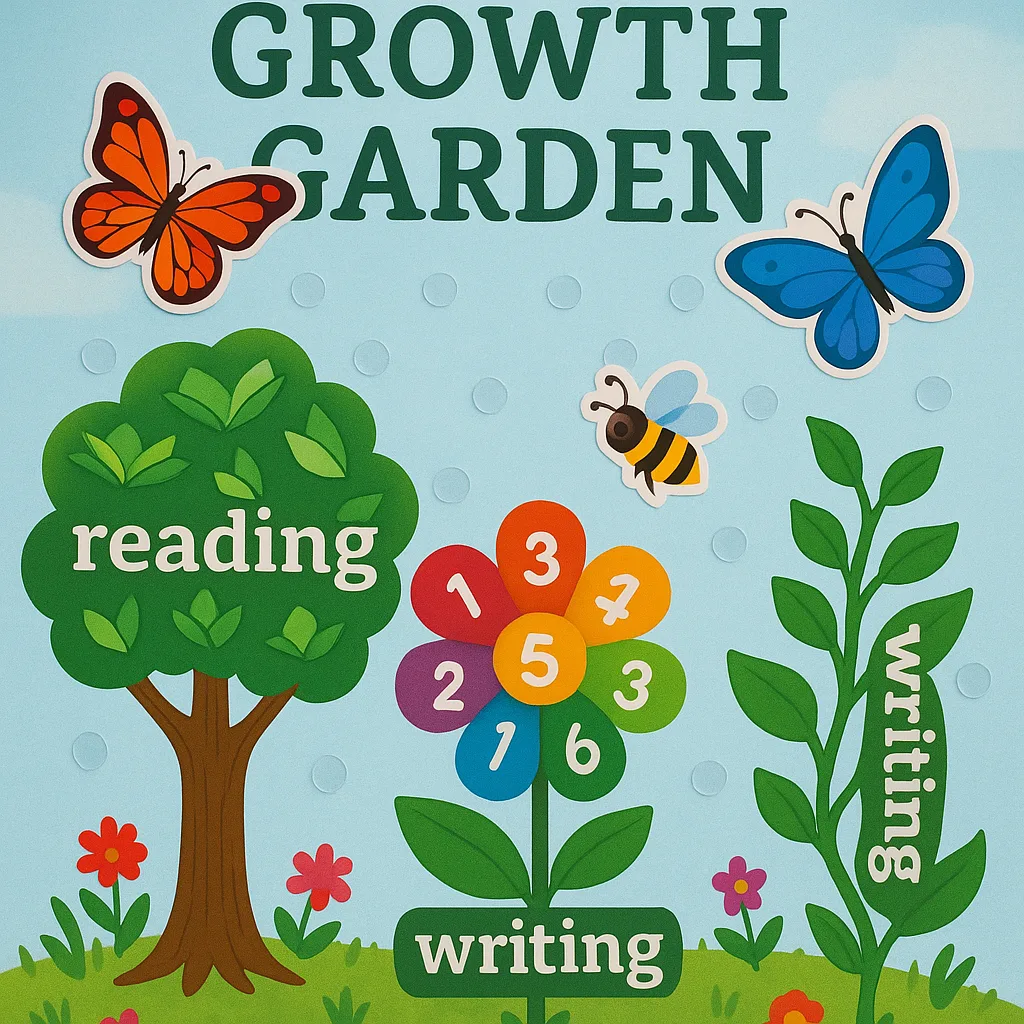
Design a close-up view of an individual student's "Growth Garden" poster created a poster maker machine. Show a whimsical garden scene the name "Sophia" at the top in playful Merriweather font.

Individual Growth Gardens: A Personal Journey Approach

One of our most successful implementations has been the Growth Garden wall. Using our Campus Pro 24 Poster Maker, I created individual garden plots for each student. Every child has their own colorful poster featuring:

• A personalized garden scene with their name
• Different plants representing various skill areas (reading, math, writing, social skills)
• Removable elements they can add as they grow

The beauty of this system lies in its flexibility. When Sophia masters counting to 20, she adds a new flower to her math plant. When Marcus learns a new sight word family, he gets to place a butterfly on his reading tree. There’s no comparison because each garden is unique – just like each child’s learning journey.

Parents love photographing their child’s garden during conferences, and students beam with pride showing their growing landscapes. The visual nature helps them understand that learning is a process, not a race.

Goal-Setting Mountains That Inspire

Another powerful visual we’ve implemented is our Goal-Setting Mountain range. Each student has their own mountain poster showing:

• Base camp (where they started)
• Trail markers (mini-goals along the way)
• Summit flag (their big goal)
• Celebration stickers for each checkpoint reached

The mountains are printed on durable material using banner printing machines, allowing students to use dry-erase markers to track their journey. What makes this special is that students choose their own mountains to climb – some might focus on reading goals, while others work on math facts or kindness challenges.

85%

of students report feeling more motivated with individual progress displays

Collaborative Achievement Displays

Not all progress tracking needs to be individual. Here’s how we celebrate together without comparison:

Class Puzzle Wall

How It Works

Each student contributes a puzzle piece when they achieve a personal goal. The focus is on completing our class picture together, not who adds pieces fastest.

Kindness Chain

Building Together

Paper chain links celebrate acts of kindness and helping. The chain grows around our room, showing how our actions connect us all.

Reading Rainbow

Colorful Progress

Students add color bands to our class rainbow when they finish books. Each color represents a different genre, creating a beautiful, diverse display.

Designing Effective Visual Metrics Using Poster Machines for Progress Tracking

Creating these displays has taught me several key principles for effective visual progress tracking:

1. Make It Personal: Each display should reflect the individual child. Using our poster maker machines, I can incorporate their favorite colors, interests, and even photos. When children see themselves in the display, they take ownership.

2. Focus on Growth, Not Grades: Instead of showing test scores, we visualize improvement. A child who goes from knowing 5 sight words to 15 has made incredible progress, regardless of where they fall on standardized assessments.

3. Use Metaphors Kids Understand: Gardens growing, mountains being climbed, puzzles coming together – these visual metaphors help first graders grasp abstract concepts like progress and perseverance.

4. Make It Interactive: Static charts are boring. Our displays use velcro, magnets, and removable stickers so students can physically engage with their progress. This kinesthetic element is crucial for young learners.

5. Celebrate Small Wins: With poster maker machines for schools, I can quickly create certificates, badges, and milestone markers. Every step forward deserves recognition.

Practical Implementation Strategies

Getting Started with Visual Progress Tracking

If you’re ready to transform your classroom’s approach to progress tracking, here’s how to begin:

Step 1: Assess Your Current System
Look at your existing data displays. Are they causing stress? Do students avoid looking at them? These are signs it’s time for change.

Step 2: Involve Your Students
Ask your class what would help them feel proud of their learning. Their input is invaluable and increases buy-in.

Step 3: Start Small
Choose one area to transform first. Maybe it’s reading progress or math facts. Create one engaging display and expand from there.

Step 4: Invest in Quality Tools
Having access to banner printing machines or poster makers makes creating professional-looking displays much easier. Our Classroom Pro 24 Poster Maker Advanced Package has been perfect for our needs.

Step 5: Make It Routine
Set aside time each week for students to update their progress displays. We do “Growth Garden Fridays” where everyone tends to their visual progress.

Student Engagement 92%
Parent Satisfaction 88%
Reduced Anxiety 95%

Positive outcomes after implementing pressure-free progress displays

Addressing Common Concerns

When I share these ideas with fellow teachers, several questions often come up:

“But don’t we need data for administration?”
Absolutely! I still track all required data – it’s just not publicly displayed in comparative formats. My principal appreciates seeing the individual growth documentation, and our visual displays actually provide richer evidence of student progress.

“Won’t this take more time?”
Initially, yes. However, once your systems are in place, updates become part of your routine. Plus, the time saved on managing behavioral issues related to progress anxiety more than makes up for it.

“What about preparing students for competition later?”
By building strong self-confidence and internal motivation now, we’re actually better preparing students for future challenges. They learn to measure success by personal growth rather than comparison to others.

“Is this expensive to implement?”
While having poster maker machines helps create professional displays, you can start with simpler versions. Many of our ideas can be adapted using regular printers and creative assembly. The investment in student well-being is always worthwhile.

Real Stories from Room 12

Let me share some heartwarming moments that show the power of pressure-free progress tracking:

Emma started the year unable to identify any letters. Her previous school used a public alphabet chart where students’ names moved up as they learned letters. She was always at the bottom. In our class, Emma has her own alphabet flower garden. Each flower she plants represents a letter mastered. Last week, she ran to me shouting, “Mrs. Nguyen! I need more flowers! My garden is almost full!” The joy in her eyes was everything.
Emma's Story, Growth Garden Success
Carlos chose a math mountain to climb, with the summit being “counting to 100.” He started at base camp (counting to 10) and created his own trail markers. What amazed me was how he began helping classmates with their mountains, saying “Everyone’s mountain is different, but we can all reach the top!” This collaborative spirit emerged naturally from our non-competitive approach.
Carlos's Journey, Mountain Climber
“My daughter actually asks to show me her progress garden now. At her old school, she would hide her data folder. Thank you for making learning feel safe and celebrated.” This note reminded me why visual metrics that celebrate without pressure are so crucial.
Parent Feedback, A Grateful Mom

Tips for Using Poster Machines for Progress Tracking

Having the right tools makes implementing these ideas much easier. Here’s how I maximize our poster maker machines:

Design Templates: I’ve created reusable templates for different progress displays. This saves time and ensures consistency while allowing for personalization.

Durability Matters: Using quality materials from poster maker machines for schools means our displays last all year. I recommend laminating base posters and using removable elements for updates.

Size Considerations: Different displays need different sizes. Individual progress posters work well at 11×17″, while collaborative displays benefit from larger formats that banner printing machines can produce.

Color Psychology: I use calming colors for individual displays (blues, greens, soft purples) and energizing colors for group achievements (warm oranges, yellows, vibrant greens).

Storage Solutions: Create a progress portfolio for each student where they can keep completed elements from their displays. It becomes a beautiful record of their year-long journey.

Looking Forward: The Future of Progress Tracking

As I reflect on our journey from traditional data walls to these creative, pressure-free displays, I’m filled with hope for the future of assessment in education. When we prioritize emotional well-being alongside academic growth, magical things happen.

My first graders now see challenges as mountains to climb rather than tests to fail. Therefore, they celebrate each other’s growth genuinely because they understand everyone’s journey is unique. Most importantly, they’re developing intrinsic motivation that will serve them throughout their educational career.

The shift hasn’t just impacted my students – it’s transformed my teaching. Instead of spending energy managing comparison-induced conflicts, I can focus on what matters: helping each child reach their potential. Our poster machines for progress tracking have become tools for building confidence, community, and genuine love of learning.

If you’re considering making this shift in your classroom, I encourage you to start small but dream big. Remember, every child deserves to see their progress celebrated in ways that inspire rather than intimidate. Together, we can create classrooms where data serves its true purpose: helping children grow, not comparing them to others.

Share This Story, Choose Your Platform!