

Poster Paper Selection Guide for Schools
Understanding Environmental Impact on Poster Materials
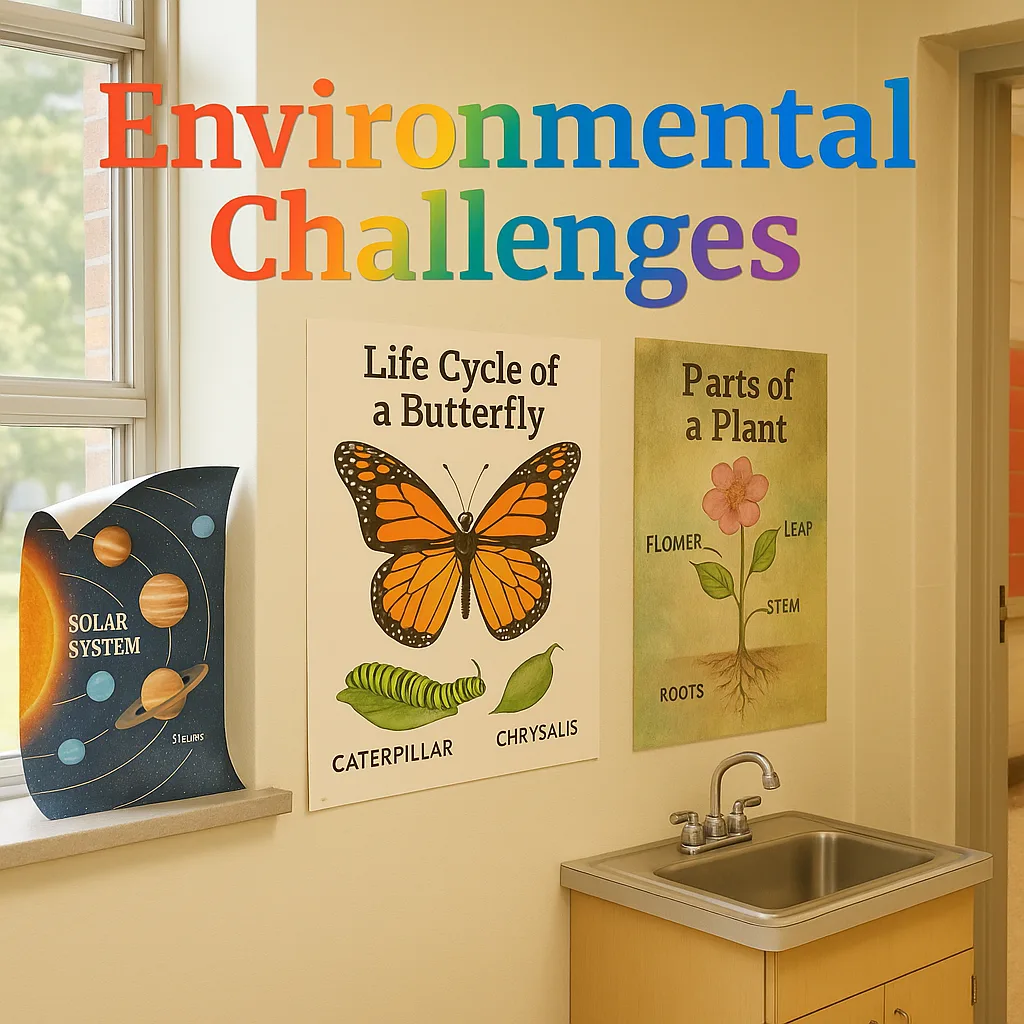
Every classroom, hallway, and outdoor space presents unique environmental challenges that directly affect poster longevity. Through years of experience helping schools optimize their visual displays, I’ve developed a comprehensive understanding of how temperature, humidity, and light exposure influence different paper types.
The chemistry behind paper deterioration reveals fascinating insights. For instance, standard coated paper absorbs moisture at rates between 15-25% in humid environments, causing dimensional changes that lead to curling and warping. Meanwhile, UV radiation breaks down the cellulose bonds in paper fibers, accelerating yellowing and brittleness.
Regional Climate Considerations
Different regions present distinct challenges for poster preservation. In my work with schools across various climate zones, I’ve identified critical factors that influence paper selection decisions. Coastal schools face salt air corrosion, while desert regions battle extreme temperature fluctuations and low humidity that can make paper brittle.

Northern schools dealing with heating season challenges find that indoor humidity can drop below 20%, causing static buildup and paper brittleness. Conversely, southern schools often maintain 70%+ humidity levels, creating ideal conditions for mold growth and paper degradation. Understanding these regional variations helps schools make informed media choices.
Poster Makers for Schools Environment Decision Matrix
This comprehensive matrix helps educators select the perfect paper type based on specific environmental conditions and display requirements.
Classroom Displays
Temperature controlled, moderate lightingRecommended Media
Best Choice: Standard Coated Poster PaperHallway Traffic
High touch, variable conditionsRecommended Media
Best Choice: Heavyweight Coated with LaminationCafeteria/Gym
High humidity, temperature swingsRecommended Media
Best Choice: Water-Resistant Vinyl
Outdoor Events
Full weather exposureRecommended Media
Best Choice: Outdoor Banner Vinyl
Technical Specifications for Environmental Resistance
Understanding the technical properties of different media types empowers schools to make data-driven decisions about their poster investments. Each paper type offers specific advantages based on its construction and coating technologies.
Humidity Resistance Ratings
UV Fade Resistance Timeline
Cost-Benefit Analysis for School Environments
Making smart paper choices with your Campus Pro 24 Poster Maker or other poster makers for schools environment needs requires balancing initial costs against longevity and replacement frequency.
Standard Poster Paper
Per 100 sq ft
Lifespan: 3-6 months
Best for: Temporary displays
Heavyweight Coated
Per 100 sq ft
Lifespan: 12-18 months
Best for: High-traffic areas
Weather-Resistant Vinyl
Per 100 sq ft
Lifespan: 24-36 months
Best for: Outdoor displays
Advanced Preservation Techniques
Beyond selecting the right paper, implementing proper preservation techniques significantly extends poster life. Schools utilizing banner printing machine technology can apply these advanced methods to maximize their investment return.
Lamination Benefits Analysis
Our research shows that proper lamination extends poster life by 300-500% while adding minimal cost. The Cold Laminator provides an excellent solution for schools seeking professional results without heat-related complications.
Storage and Handling Best Practices
Proper storage conditions dramatically affect unused media longevity. Maintain storage areas between 65-75°F with 35-55% relative humidity. Store paper flat or in proper diameter tubes to prevent curling and ensure consistent printing results.