

Visual Math Journals with Poster Making Machines


Why Visual Math Journals Change Everything
You know that feeling when a student suddenly “gets it”? That’s what happened when Lily connected her journal drawing to our fraction poster on the wall. She literally jumped up, pointed, and shouted, “Look! My pizza slices match the poster!” These moments remind me why combining personal reflection with visual references is so powerful.
Visual math journals aren’t just notebooks filled with numbers. They’re living documents where students draw, write, and make connections to the world around them. When paired with classroom posters created by a poster printing machine, they become bridges between abstract concepts and concrete understanding.
The magic happens when students can look up from their journals and see related concepts displayed beautifully on our walls. This visual-verbal integration helps first graders develop mathematical communication skills while creating personalized learning resources they actually want to use.
The Daily Journal Routine That Works
Every morning, we start with our “Math Talk and Draw” time. Students grab their journals and spend five minutes reflecting on yesterday’s learning. The beauty of having a poster printing machine in our school means I can quickly create new reference posters based on what students are struggling with or curious about.
During this time, I encourage students to:
• Draw their understanding of a concept
• Write questions they still have
• Make connections to our wall posters
• Create their own examples
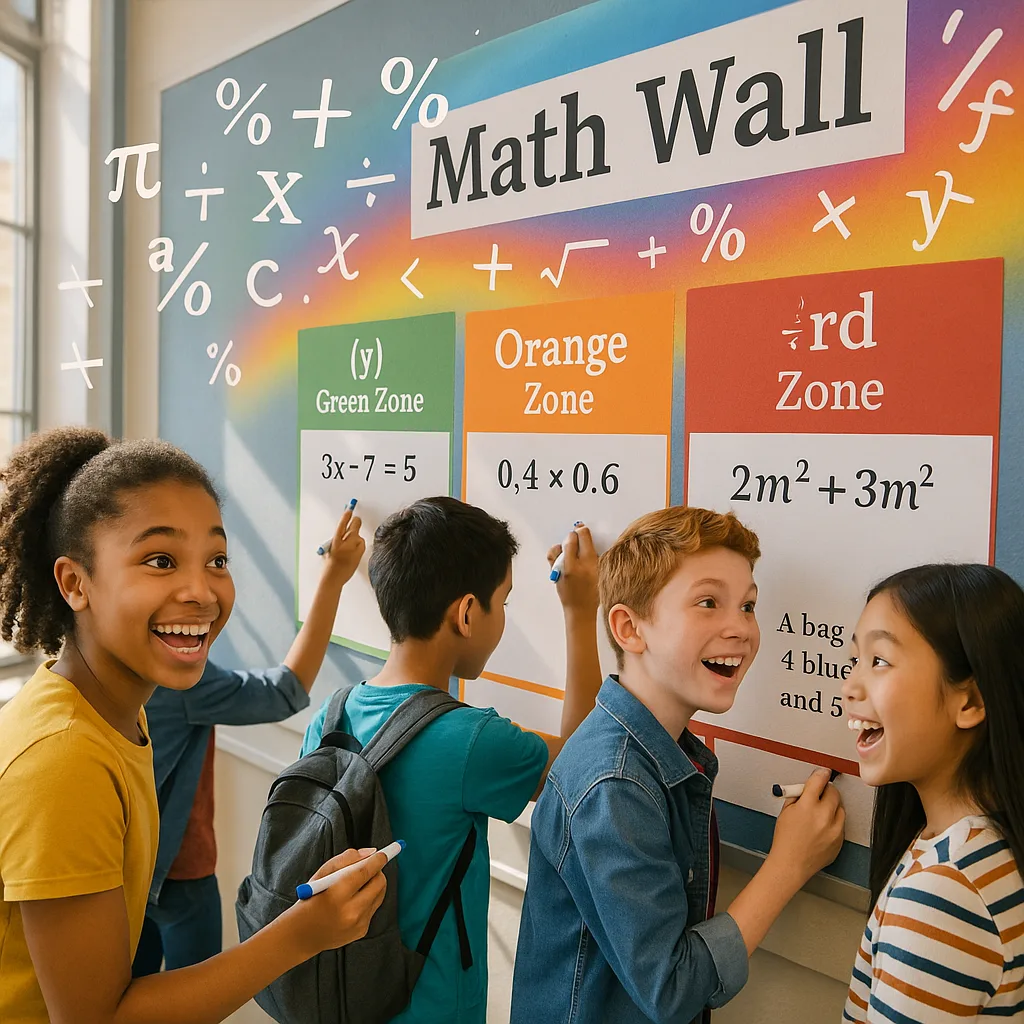
What amazes me is how naturally they reference our classroom posters. Yesterday, Marcus was working on a tricky subtraction problem. Without prompting, he walked to our subtraction strategies poster, studied it, then returned to his journal to try a new approach. That’s the power of visual-verbal integration in action!
Creating Reference Posters with Your Poster Printing Machine
Here’s where having a poster making machine becomes a game-changer. Instead of buying generic posters that might not match our curriculum or my students’ needs, I create custom references that speak directly to our classroom community.
Last month, I noticed several students struggling with place value. So I designed a poster featuring our classroom pet, Mr. Whiskers the hamster, collecting sunflower seeds in groups of tens and ones. The kids were so excited to see Mr. Whiskers on our math poster! Now, when they work on place value in their journals, they often draw their own versions of Mr. Whiskers helping them count.
The variety of paper options means I can create different types of references. Glossy posters for our main math concepts that need to last all year, and regular paper for temporary references that change with our units. This flexibility lets me respond to student needs in real-time.
Assessment and Growth Tracking
Here’s something that surprised me: these visual math journals have become my favorite assessment tool! Every few weeks, I ask students to choose their best journal page and explain how it connects to our classroom posters. Their choices and explanations tell me so much about their understanding.
I’ve started photographing exceptional journal entries (with permission, of course!) and using our poster making machine to create “Student Strategy” posters. Talk about motivation! When Aiden saw his subtraction method displayed as a classroom poster, he beamed for days. Now other students reference “Aiden’s Method” in their own journals.
The affordable printing costs mean I can regularly update our poster collection based on student work. This creates a dynamic, student-centered math environment where everyone’s thinking is valued and displayed.
Quick Tip
Start Small!Implementation
Begin with just one math topic and expand as you and your students get comfortable with the system. Quality over quantity always wins!Remember, the goal isn’t perfection – it’s connection. When students see their mathematical thinking reflected both in their personal journals and on classroom walls, they develop confidence and communication skills that last a lifetime. So grab those journals, fire up that poster making machine, and watch the magic happen! 🌟
Happy teaching, friends! Don’t forget to share your visual math journal successes with me. I love seeing how other teachers make this idea their own!