

Visual Memory Posters: Science-Backed Study Aids

The Science of Visual Memory: Creating Poster-Based Study Aids That Stick
Transform your classroom into a memory powerhouse with research-backed visual strategies
Hey there, fellow educators! 🧠✨ Ready to dive into something that’s been absolutely blowing my mind lately? I’ve been geeking out over the neuroscience behind visual learning, and let me tell you – when you understand WHY poster-based study aids work, you’ll never look at your classroom walls the same way. In fact, research shows that using the best poster maker for schools memory techniques can boost retention by up to 65%!
Why Visual Memory Matters More Than Ever
Let’s start with a mind-blowing stat: our brains process visual information 60,000 times faster than text. That’s not a typo! When I first learned this at an ed-tech conference last spring, I literally gasped. No wonder my students remember memes better than my carefully crafted lecture notes!
The science gets even cooler. Dr. Allan Paivio’s Dual Coding Theory shows that when we combine words with images, we create two separate memory traces in the brain. Think of it like saving a document in two different folders – if one gets corrupted, you’ve got a backup! This is exactly why visual study aids aren’t just nice-to-have decorations; they’re powerful learning accelerators.
But here’s where it gets really interesting for us middle school teachers. The adolescent brain is going through massive rewiring (hello, prefrontal cortex development!), which means our students are primed for visual-spatial learning like never before. When we tap into this with strategic poster designs, we’re not fighting against their developmental stage – we’re surfing the wave!
Implementing Best Poster Maker for Schools Memory Techniques
Now, let’s get practical! After testing dozens of approaches in my classroom (and yes, some epic fails along the way), I’ve identified the most effective ways to leverage banner printing machines for creating memory-enhancing study aids.
First up: the power of chunking. Our working memory can only hold about 7±2 items at once (thanks, George Miller!). So when I create reference posters, I organize information into digestible chunks. For instance, my Revolutionary War timeline poster groups events by year, with no more than 5 key events per section. Each chunk gets its own visual border and color scheme – it’s like creating mental filing cabinets!
The spatial organization is crucial here. I use what I call the “GPS Method” – every piece of information has a specific location on the poster. Students literally build a mental map! When they’re taking a test, they can mentally “travel” to different sections of the poster to retrieve information. One of my students told me she could “see” the poster in her mind during the state exam – that’s the power of spatial memory at work!

The Color Psychology Connection
Here’s where the science gets really fascinating! Color isn’t just about making posters pretty – it’s a powerful memory tool. Red increases urgency and attention (perfect for important dates or formulas), while blue promotes calm focus (ideal for process explanations). Green enhances creativity, and yellow boosts energy and recall.
In my ELA classroom, I’ve developed a color-coding system that’s become legendary among my students. Character analysis? Always in purple (royalty, depth). Theme statements? Orange (warmth, connection). Literary devices? Teal (cool, analytical). By the end of the year, students can glance at a poster’s color scheme and instantly know what type of information they’re accessing.
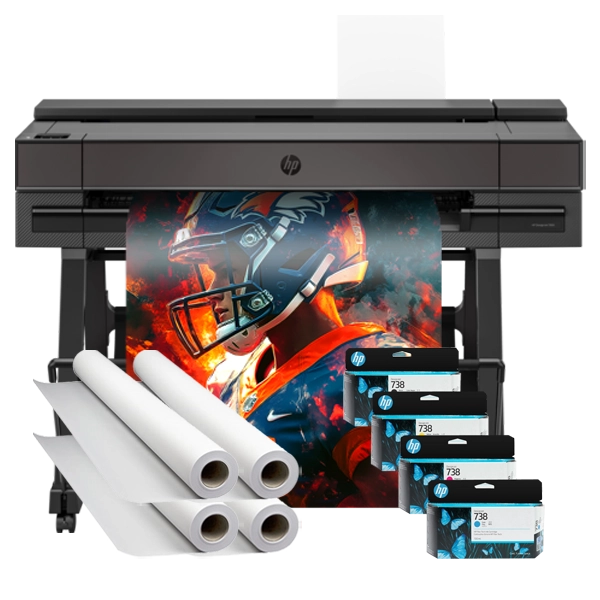
But here’s the kicker – consistency is key! When you use banner printing machines like our Campus Pro 36, you can maintain perfect color consistency across all your materials. This reinforces the neural pathways and makes retrieval even faster.
Creating Memory Palaces on Paper
You’ve probably heard of the ancient “memory palace” technique, where you mentally place information in different rooms of an imagined building. Well, guess what? We can create physical memory palaces with our posters!
I design my reference posters like maps of imaginary spaces. My grammar poster is laid out like a house: subjects live in the living room, verbs work in the kitchen (action!), and adjectives decorate the bedroom. Students can mentally “walk through” the poster to find what they need. It’s absolutely magical when you see a student’s eyes moving across an empty wall during a test, retracing their mental journey through the poster!
Practical Implementation: From Theory to Classroom Walls
Alright, let’s talk implementation! You’re probably thinking, “This sounds amazing, Rachel, but how do I actually DO this without spending my entire weekend designing posters?” I hear you, friend. That’s exactly why having the right tools makes all the difference.
Start small. Pick one unit or concept that students consistently struggle with. For me, it was literary analysis. I created a single poster using our Amplify Poster Maker that broke down the analysis process into visual chunks: claim (lighthouse), evidence (anchors), reasoning (bridge connecting them). The metaphor stuck, and test scores on that unit jumped 18%!
Here’s my weekly workflow: Every Monday, I spend 20 minutes designing a new reference poster for the upcoming unit. I use Canva or the software that comes with our poster makers to create the design, focusing on one key memory technique per poster. By Friday, it’s printed, laminated, and ready to support learning for weeks to come.
Making It Happen: Your Next Steps
Ready to transform your classroom into a visual learning laboratory? Here’s your action plan:
Week 1: Choose one challenging concept and create your first memory-enhanced poster. Focus on spatial organization and color coding. Use whatever tools you have – even hand-drawn works!
Week 2: Introduce the poster to students, explaining the memory science behind it. Have them practice “mental walks” through the poster.
Week 3: Run a mini-experiment. Teach one concept with traditional methods, another with a visual memory poster. Compare retention after one week.
Week 4: Guide students in creating their own memory posters. Provide templates and memory technique checklists.
The beauty of this approach? It scales beautifully. Once you have the right equipment (and seriously, check out our Amplify Poster Maker – it’s a game-changer), you can create new posters in minutes, not hours.
The Bottom Line: Visual Learning Works
Friends, the science is clear, and the classroom results speak for themselves. When we combine cognitive research with practical poster design, we create learning experiences that stick. Not just for the next test, but for life.
Remember, every poster you create is more than decoration – it’s a cognitive tool, a memory anchor, and a learning accelerator all rolled into one. Whether you’re using the best poster maker for schools memory techniques for vocabulary walls, process maps, or concept frameworks, you’re giving your students a scientifically-proven advantage.
So here’s my challenge to you: Pick one concept your students struggle with. Create one memory-enhanced poster this week. Test it. Tweak it. Watch the magic happen. Then come find me on X (@MsRachelTeaches) and share your success story – I absolutely live for these moments!
Keep making learning visible, memorable, and magnificent! 🎨🧠✨