

Matte, Coated, Glossy or Satin: Choosing Poster Paper for the Classroom
Same printer, very different results. The finish you choose decides how readable, how glare-free, and how durable your classroom posters turn out. Here's how to pick the right one — in plain English.
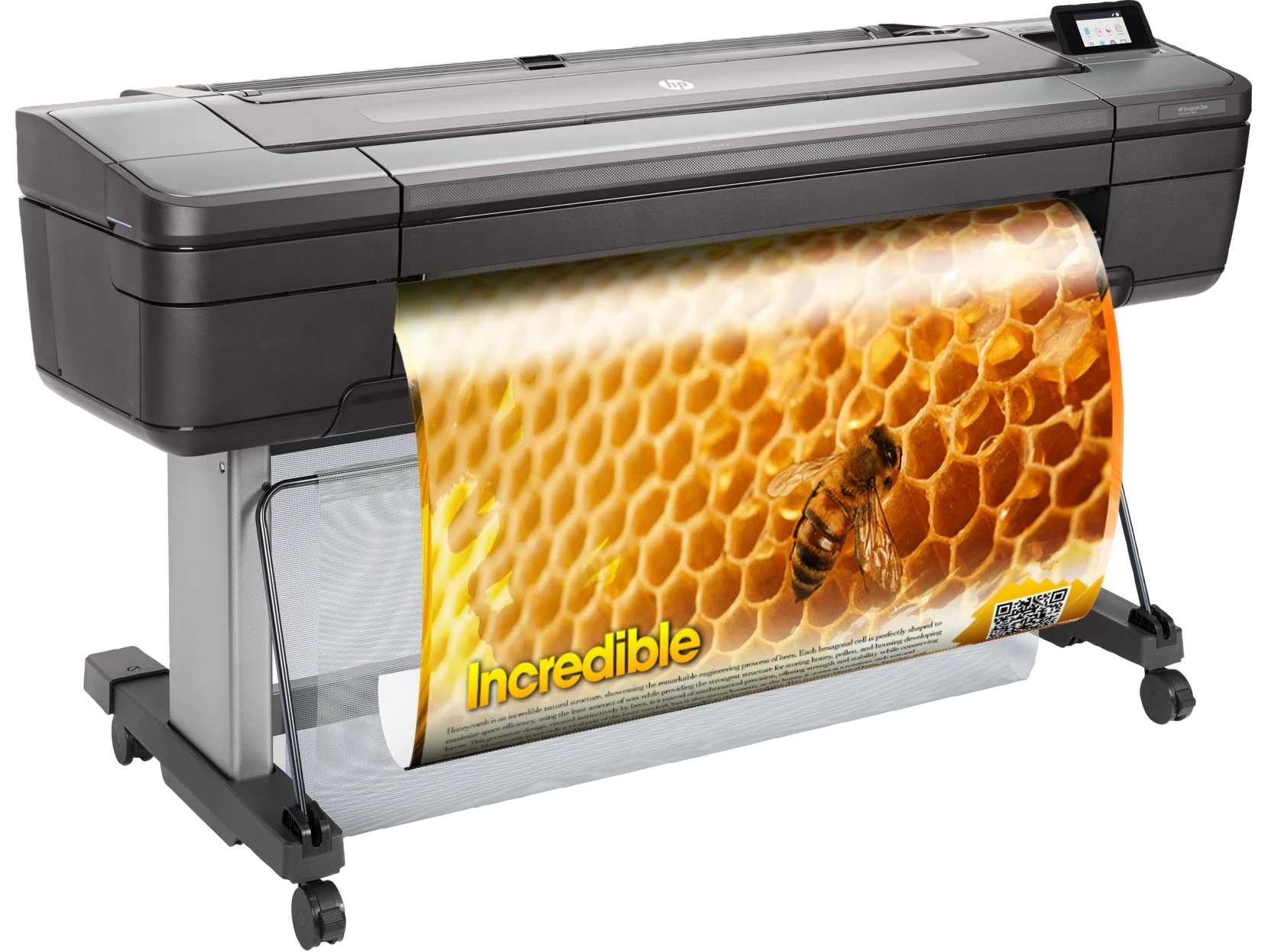
The short answer
For everyday posters you'll read on a wall, pick matte or coated — great color, almost no glare. For student photos and portraits, choose satin (photo quality without the shine). Save glossy for high-impact, eye-catching displays where vibrance matters more than reading distance.
- Reading walls (rules, schedules, word walls) → matte or coated — lowest glare.
- Student photos & portraits → satin — photo quality with far less glare than glossy.
- High-impact & spirit displays → glossy — most vivid, best viewed up close.
- Everyday & budget printing → matte / uncoated — the most economical choice.
- Glossy reflects light under classroom fixtures, so avoid it for text read from across the room.
Matte, Coated, Satin & Glossy
Each finish reflects light differently — which changes both how vivid a poster looks and how easy it is to read. Here's how the four classroom papers compare.
Matte / Uncoated
A flat, non-shiny surface. Colors look softer and text stays perfectly readable from any angle, even under bright lights.
Coated
A smooth surface coating that sharpens text and deepens color while staying easy on the eyes — the classroom all-rounder.
Satin
A soft, pearl-like sheen. You get real photo quality and rich tones with far less glare than glossy — ideal for faces and photos.
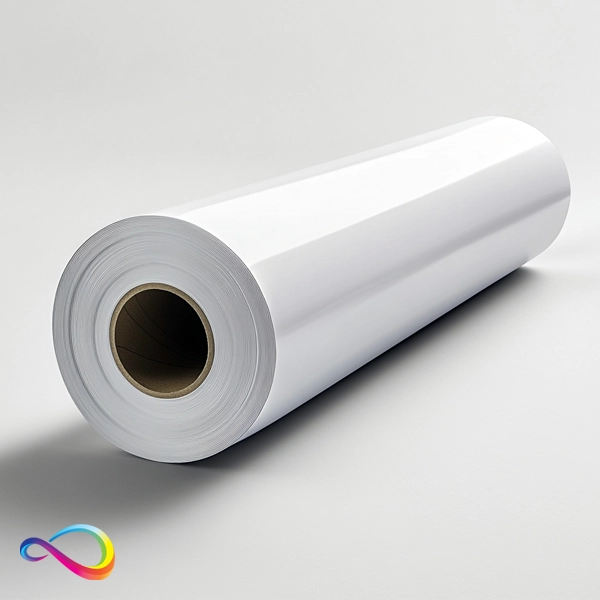
Glossy
Maximum shine and the most vivid, punchy color. Stunning up close and under good lighting — but reflective, so harder to read at a distance.
| Finish | Shine / glare | Color | Best classroom use |
|---|---|---|---|
| Matte / uncoated | None | Soft | Text-heavy posters, rules, schedules & everyday printing |
| Coated | Low | Rich & sharp | Most classroom & hallway posters, charts, word walls |
| Satin | Soft sheen | Photo-quality | Student photos, portraits & framable prints |
| Glossy | High / reflective | Most vivid | High-impact & up-close displays, spirit posters |
Which Finish for Which Poster?
Match the finish to what the poster needs to do.
Rules, procedures & word walls
Posters meant to be read → matte or coated for zero-glare readability.
Student photos & portraits
True-to-life faces → satin for photo quality without glare.
Spirit, awards & "wow" displays
Maximum pop up close → glossy for vibrant, eye-catching color.
Everyday & high-volume printing
Lots of posters on a budget → matte / uncoated keeps cost lowest.
Gym, hallway & pep-rally banners
Big and durable → a tear-resistant banner stock, not standard paper.
Windows, cafeterias & outdoors
Wet or weather-exposed → a water-resistant film or vinyl that won't wrinkle.
Glare & Weight, Explained
Why glossy posters glare
Glossy surfaces bounce light straight back, so under fluorescent lights or near windows a glossy poster can wash out and become hard to read from across the room.
- Reading walls? Stick with matte or coated.
- Photos & faces? Satin gives photo quality with far less glare.
- Glossy shines best on smaller, up-close, high-impact pieces.
Does paper weight matter?
Heavier paper feels sturdier, curls less, and survives the school year better — but lighter paper costs less and is perfect for posters you'll swap out often.
- Light (everyday): economical, great for high-volume and temporary posters.
- Medium (coated): the sweet spot for posters that hang all year.
- Heavy (photo / luster): premium, lies flat, framable — for the keepers.
Poster Paper FAQs
Ready to Print Them?
Once you know the finish you want, browse classroom-ready rolls in matte, coated, satin, gloss, banner, and outdoor finishes — or read more in our paper and media guide.